
25 Years of Sauna Use: Benefits, Types & Everything I’ve Learned
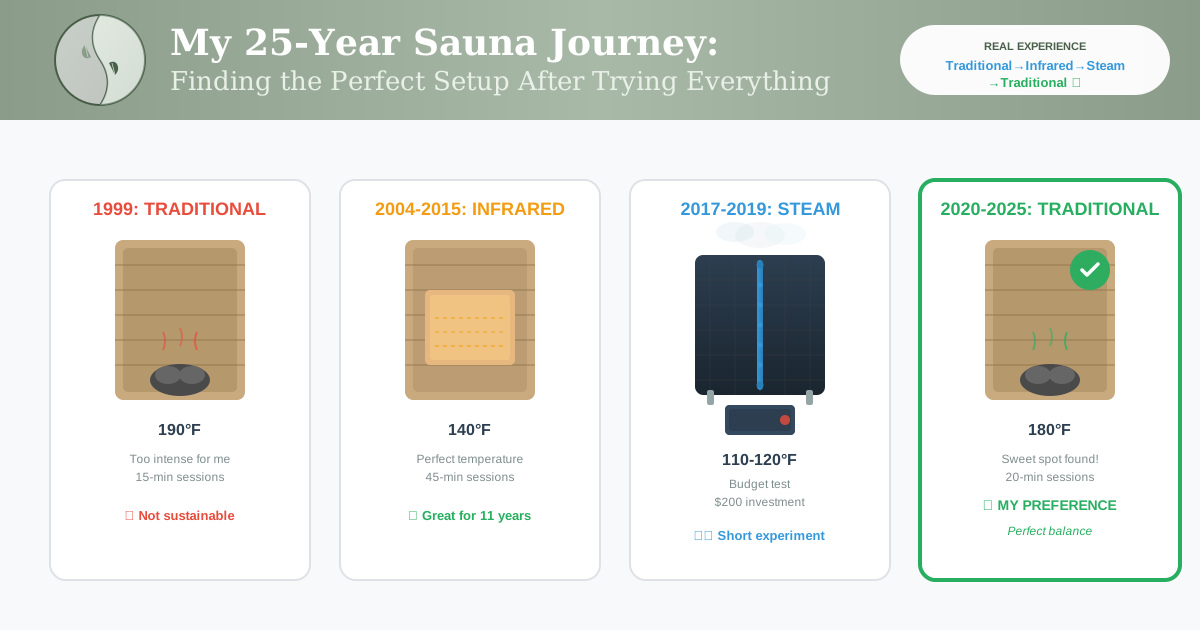
I’ll never forget my first sauna experience back in 1999. I was at a small gym with a couple of friends, nervously stepping into a co-ed traditional sauna heated to what I think was around 190 degrees. Eight minutes later, I practically stumbled out, my clothes drenched in sweat and feeling completely overwhelmed. At that moment, I genuinely questioned whether saunas were for me.
Fast forward 25 years, and I can confidently say that discovering the right sauna routine has been one of the most impactful wellness decisions that I have made. The journey wasn’t straightforward. I’ve tried traditional dry saunas, invested in a home infrared unit, experimented with portable steam saunas, and eventually found my sweet spot. Along the way, I’ve learned what actually works, what’s just hype, and how to maximize sauna benefits for real, lasting health improvements.
If you’re curious about whether saunas are actually good for you, wondering how to use a sauna effectively, or trying to decide between a traditional sauna vs infrared, I’m sharing everything I’ve discovered through two and a half decades of trial, error, and lots of unique experience. From my awkward beginnings in a shared gym sauna to finding my perfect routine, this journey has taught me more about recovery, stress management, and skin health than I ever expected.
Get the 20-Year Sauna Buyer’s Guide
What I Learned Spending Thousands on Home Saunas (So You Don’t Have To)
Respect for your inbox. No spam, ever..
Why I Decided to Give Saunas Another Chance
After that overwhelming first experience, I didn’t give up completely. Something about it intrigued me enough to try four or five more times over the next couple of months at that same gym. Despite my discomfort, both from the intense heat and from feeling self-conscious in a shared space, I noticed something important: I genuinely felt better afterward. Even those short 8-10 minute sessions left me feeling more relaxed and somehow rejuvenated.
The seed was planted, but it would take five years before I acted on it.
I’m naturally more introverted, and the shared sauna experience never quite felt comfortable to me. I noticed the women in that sauna seemed equally uncomfortable sitting there with a bunch of sweaty guys. That observation made me realize that if I wanted to make sauna use a regular habit, I needed my own space. I needed a sauna at home.
Around 2004, I started researching whether a home sauna was even feasible. That’s when I discovered infrared saunas, which at the time were surprisingly affordable compared to traditional units. The infrared sauna benefits seemed promising, lower operating temperatures, less electricity usage, and easier installation. For about $2,000, I found a “three-person” infrared sauna that seemed perfect, it had a little extra room than the “two-person” saunas. I placed my order and waited, excited but still a bit skeptical about whether I’d actually use it regularly.
If you’re considering an infrared sauna like I did, I’ve since researched and tested enough models to recommend the best saunas for different budgets.
My First Home Sauna: The Infrared Learning Curve
Delivery Day and the Reality Check
About a month after ordering, my infrared sauna finally arrived, on a semi truck, which caught me by surprise, after getting held up in customs. It came as a kit in 2 huge boxes on pallet with full panels I needed to connect myself and wire up together. I was initially intimidated, but it turned out to be pretty straightforward. Five hours later, I had it completely set up and ready to use.
That’s when I encountered my first major problem. The product listing said it worked in a standard outlet, which was technically true. It was rated at 1,500 watts. Standard US outlets are rated at 1,800 watts (15 amps times 120 volts), so mathematically, it should have worked fine.
But here’s what they don’t tell you in the product descriptions: peak wattage can spike when the infrared panels cycle on and off. My sauna kept tripping the circuit breaker. This was all new learning for me at the time. My workaround was to unplug everything else on that circuit, including lamps and phone chargers. That worked most of the time, but I’d still get a tripped breaker on occasion.
Looking back, I should have invested in having a dedicated 20-amp circuit installed from the start. It would have saved a lot of frustration and interrupted sessions. This is something to seriously consider if you’re thinking about a home sauna.
Key lesson: Before buying any home sauna, verify your electrical setup. A dedicated circuit is worth the upfront cost.
Finding the Right Temperature
Once I got past the electrical issues, I was ready to finally experience the infrared sauna benefits I’d read about. For my first session, I set it to 130 degrees and jumped in when it reached about 120 degrees, figuring that would be plenty hot.
I sat there for 30 minutes. Nothing happened. No sweat at all.
💡Related Reading: Learn more about optimal sauna temperatures
It just felt like a warm summer day in Orlando, which is hot but not hot enough to make you sweat if you’re sitting still. I was confused. Did I set it up wrong? Was something broken? I was seriously questioning my investment. My first experience with an infrared sauna was, frankly, underwhelming.
The next time, I bumped the temperature to 140 degrees and waited the full 25 minutes for it to completely preheat. This made all the difference. Within 15 minutes of getting in, I started sweating. A good, steady sweat that continued for the rest of my 30-minute session. Finally, I felt like I was getting somewhere.
Finding My Infrared Routine
Over the next several weeks, I systematically experimented with different variables: temperature settings, session duration, time of day, and frequency. I discovered that how often to use sauna sessions mattered more than I expected. Too infrequent and I didn’t notice much benefit; too often and I felt drained.
I eventually settled into a rhythm of 3-4 sessions per week, each lasting 30-40 minutes at 140 degrees. I maintained this routine for about five years, and the sauna health benefits became undeniable. My skin looked healthier, I felt more relaxed, and I seemed to recover faster from workouts.
But here’s the honest truth: my infrared sauna routine was time-consuming. Between preheating, the session itself, cooling down, and showering, each sauna session took well over an hour out of my day.
What Happened When I Stopped
Life got complicated. I was going through a divorce, and the sauna routine fell by the wayside. I went from regular use to occasional use to barely using it at all. As I was slowly letting the routine slip away, I was curious to see if I’d notice any difference.
The changes were subtle but real. The first thing I noticed was my skin. My arms started looking drier and a bit flaky, similar to the appearance after a sunburn. I also felt like my energy levels dropped slightly. It was almost like I’d stopped working out, even though I was still exercising three times per week. Looking back, I think the sauna had been boosting the effects of my workouts, enhancing my recovery in ways I hadn’t fully appreciated.
Eventually, I sold the infrared sauna on Craigslist. I regretted that decision almost immediately.
The Steam Sauna Experiment: A Practical Compromise
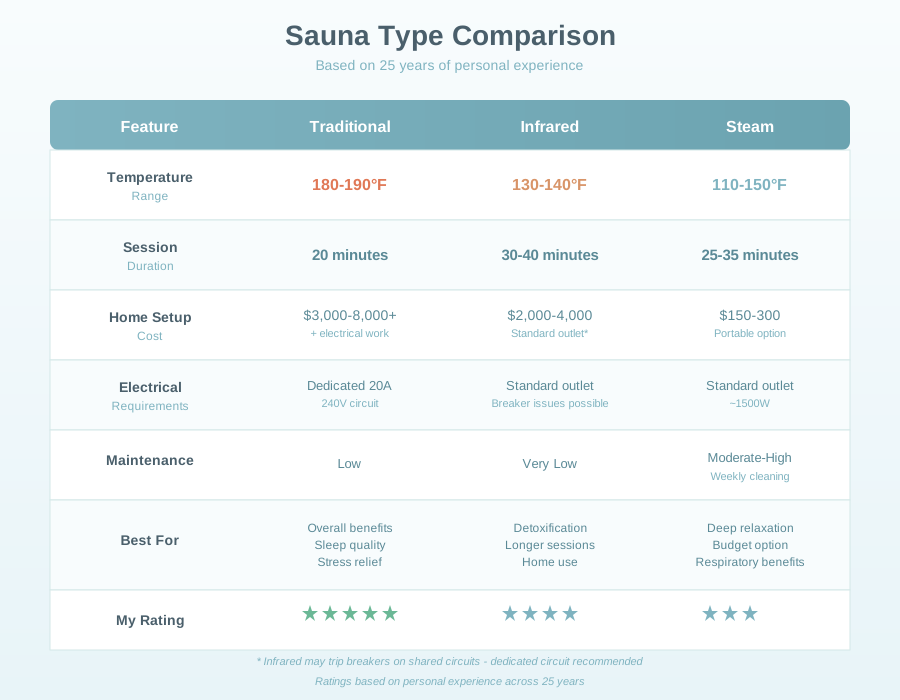
A couple of years after selling my infrared sauna, I really wanted to get back to regular sauna use. I’d been researching traditional saunas but kept running into the same roadblock: they require more electricity than infrared saunas and typically need a dedicated 20-amp circuit. I got a quote from an electrician for about $1,200 just for the electrical work. The infrared saunas seemed more practical for home use, but I’d already sold mine.
That’s when I discovered portable steam saunas.
For around $200, I could get one of those sauna units where your head sticks out the top. I’ll be honest, it looked kind of funny. I remember thinking, “I wouldn’t want anyone to see me using this thing.” It resembled an insulated tent with a steam kettle attached, and sitting inside with just my head poking out was definitely a sight. When I finally told a couple friends of mine about it they got a good laugh out of it.
But you know what? It worked surprisingly well.
The Unexpected Benefits of Steam
I could get a good sweat going in under 10 minutes with the portable steam sauna. Even though my head was outside the unit, I still sweated heavily on my face and scalp. The dry sauna vs steam sauna debate became real for me during this period, and I discovered that steam saunas offered some unique sauna benefits for recovery.
The relaxation effect was profound. It would take the edge off after a stressful day in a way that felt different from the infrared sauna. Sometimes I’d get so relaxed that I’d actually start falling asleep mid-session. The steam had a softer, more enveloping quality compared to the direct heat of infrared.
I used it three to four times per week for a couple of years. The unit had a twist timer with a maximum of one hour, though it took about 15 minutes to warm up properly. I found this frequency gave me consistent benefits without being overly time-consuming. I could also watch TV while using it, which made the time pass quickly.
The Downsides Nobody Mentions
The main drawback of the steam sauna was maintenance. All that moisture meant the unit would start to get mildewy if I wasn’t careful. I had to clean it every one to two weeks, which was a hassle compared to the infrared sauna that required virtually no cleaning.
This maintenance issue, combined with still dreaming about the experience of a traditional sauna, kept me searching for the ideal solution.
Coming Full Circle: Finding My Traditional Sauna Sweet Spot
When COVID hit, I started thinking more seriously about my health and resilience. As things opened up, I joined a gym specifically because it had a traditional sauna. After all these years and experiments, I was ready to give traditional saunas another try with the wisdom I’d gained from my previous experiences.
The Experimentation Process (Again)
Just like with the infrared sauna years earlier, I experimented systematically. I tested different frequencies, times of day, and session durations. The gym kept their traditional sauna at 180 degrees, hot enough that it felt intense at first, but I adapted within a couple of weeks.
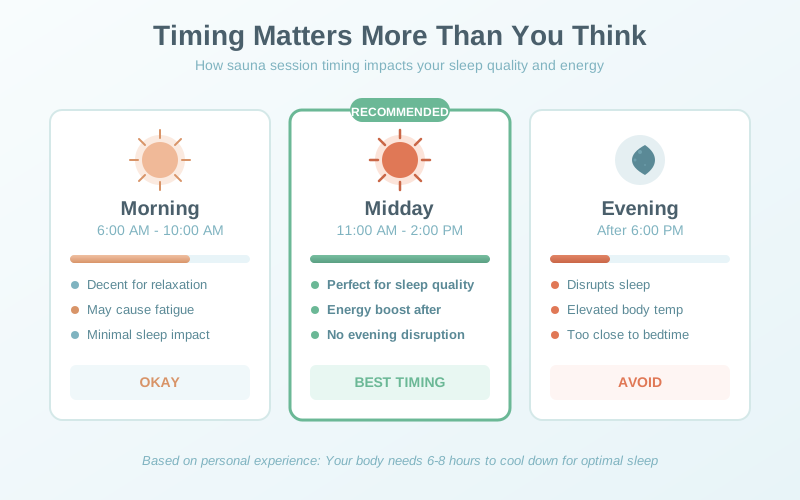
Through trial and error, I discovered that timing really mattered. If I went too late in the day, my sleep suffered. But sessions over my lunch break? Perfect.
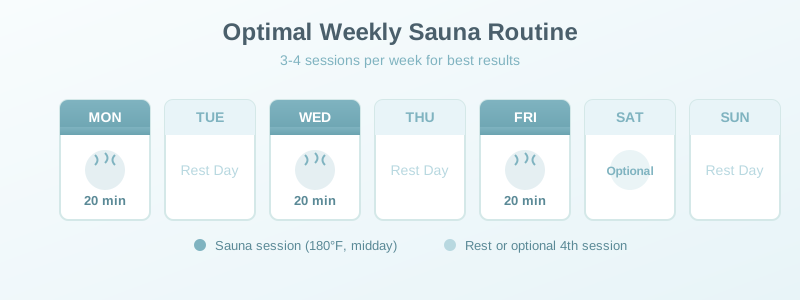
In my quest to finding the optimal frequency for sauna use, I settled into what became my ideal routine: 3-4 times per week, 20 minutes per session at 180 degrees, during my lunch break.
However, life happens and I get busy sometimes so I’m not always able to keep up this frequency on a week to week basis. But, I find that if I can use the sauna at least 2 times per week that I still get benefits, just not the max benefits I have with 3-4 times per week.
The Results: Better Than Ever
Within a couple of weeks of consistent use, the changes were dramatic. My skin looked healthier than it had in years. No dryness, just a healthy glow. My stress levels dropped significantly. I felt more relaxed than I had in years.
But the most notable benefit was sleep quality. On the days I used the sauna, I slept much better than usual. A deeper, more restorative sleep that left me feeling more refreshed.
This is what I’d been searching for through all those years of experimentation. I finally found my sweet spot.
What Worked (and What Didn’t): My Honest Assessment
What I Loved
Traditional Saunas for Comprehensive Benefits
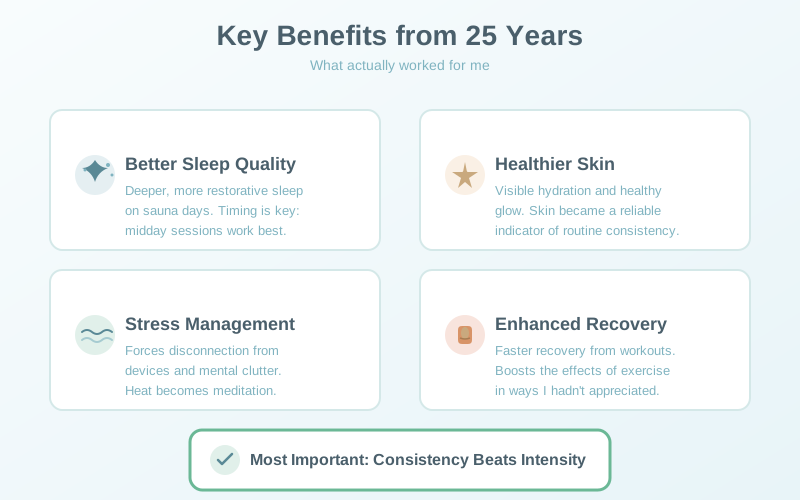
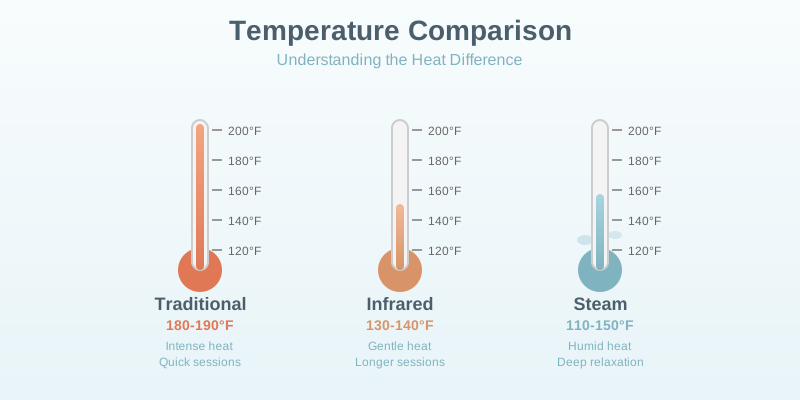
After trying all three types, traditional dry saunas delivered the most noticeable sauna health benefits for me. The higher heat (180 degrees vs. 130-140 for infrared) created a more intense experience that translated to better sleep, less stress, and healthier-looking skin. The sauna benefits for muscle recovery were also more pronounced. My experience seems to line up with some of the Finnish studies.
Stress Management
This is perhaps the most underrated benefit. Twenty minutes in a sauna forces you to disconnect from your phone, your to-do list, and all the mental clutter. The heat becomes a form of meditation. I consistently noticed lower stress levels and better mood regulation when using the sauna regularly.
Sleep Quality Improvement
On days I used the sauna (especially at the right time), I slept much better. The key is timing it right so your body temperature has time to cool down before bed. The temperature regulation seems to prime your body for deeper sleep.
Timing Matters More Than You Think
Lunchtime sessions worked perfectly for me. Morning sessions were fine but sometimes left me slightly fatigued for the rest of the day. Evening sessions after 6 PM consistently disrupted my sleep, probably because my core body temperature remained elevated too close to bedtime.
Skin Health as an Indicator
My skin became a reliable barometer for whether I was using the sauna enough. Regular sessions kept my skin hydrated and healthy-looking; long breaks led to dryness and that flaky appearance within weeks.
What Could Be Better
The Time Investment
Even 20-minute sessions require planning. With a home unit, you need time to heat up the sauna, complete your session, shower afterward, and cool down. It’s really a 45-minute to 1-hour commitment each time. Going to a gym, you still have drive time to and from the gym.
Electrical Requirements for Home Use
Traditional saunas require an investment in electrical work for home installation. Infrared saunas may need careful circuit management depending on the size and specifications. This practical barrier prevents many people from maintaining consistent use.
Not One-Size-Fits-All
My optimal protocol of 180 degrees for 20 minutes might be too intense for some people or not intense enough for others. There’s a learning curve to finding what works for your body, and that requires patience and experimentation.
Hygiene Concerns / Shared Spaces: Public gym saunas require trust that other users are following proper etiquette and that facilities are kept clean. This is why I prefer home options when possible. However, if you’re renting or live in a small space, a gym membership might be more practical for you.
Common Questions About Sauna Use
Based on my 25 years of experience, yes, but only if you use them consistently and find the right type and routine for your body. I’ve experienced real benefits: better sleep, healthier skin, reduced stress, and improved workout recovery. However, these benefits took weeks to appear and disappeared within weeks of stopping.
My sweet spot is 20 minutes for traditional saunas, but I started at 8-10 minutes. For infrared saunas, 30-40 minutes worked better for me. Listen to your body. If you feel dizzy, nauseous, or uncomfortable, get out immediately. You can always build up tolerance over time.
Yes, though both are valuable. Keep in mind that there are temperature differences. Traditional saunas heat the air around you to higher temperatures (170-190°F), creating intense sweating and cardiovascular stress. Infrared saunas heat your body directly at lower temperatures (120-140°F) and may penetrate deeper into tissues. I found traditional saunas more effective for stress relief and sleep, while infrared felt gentler and easier to tolerate for longer periods and therefore may improve detox.
You can, but I’d caution against it. Your body needs time to adapt to heat stress. Start with two to three times per week and increase gradually if desired. I found daily use exhausting and unsustainable.
Absolutely. This was one of the most visible changes I experienced. Regular sauna use kept my skin hydrated and healthy-looking. When I stopped, the dryness returned within 2-3 weeks. The increased blood circulation and sweating seem to genuinely benefit skin health.
Three to four times per week has provided me with the best benefits. Any more than that felt like diminishing returns, and less than that made it harder to maintain the benefits. Consistency matters more than frequency.
💡Related Reading: For a deeper dive into optimal sauna frequency, see my complete guide on how often you should use a sauna.
Key Lessons from 25 Years of Sauna Use
After experimenting with three different sauna types over 25 years, here’s what I’d tell someone considering adding sauna use to their wellness routine:
Start Low and Go Slow
Don’t try to match what experienced sauna users do. Begin with lower temperatures and shorter sessions. Your body will adapt over time, and you’ll avoid the overwhelmed feeling I had in my first experience. Read more: on how to use a sauna and what to expect for your first time.
Timing Matters More Than You Think
The time of day significantly impacts both the experience and the benefits. Morning or midday sessions worked best for me. Evening sessions too close to bedtime disrupted my sleep, even though some people claim it helps them sleep.
Don’t Forget the Electrical Requirements
If you’re considering a home sauna, address the electrical requirements before you buy. A dedicated circuit prevents the headaches I experienced with tripped breakers and limited use.
Consistency Beats Intensity
I got more benefits from regular 20-minute sessions than from occasional 40-minute marathons. Build it into your routine like any other wellness practice.
Listen to Your Body’s Response
Pay attention to how you feel not just during the sauna, but in the hours and days afterward. Skin quality, energy levels, sleep quality, and stress resilience are all indicators of whether your routine is working.
Check out my in-depth reviews of the best home saunas across all types →
My Final Take on Sauna Benefits After 25 Years
Looking back at my journey from that uncomfortable first experience in 1999 to finding my optimal routine today, I can say with confidence that sauna use has been one of the most valuable wellness practices I’ve maintained. The best sauna setup is the one you’ll actually use consistently, whether that’s a traditional sauna at a gym, an infrared unit at home, or even one of those quirky portable steam saunas.
The science behind sauna benefits continues to evolve, but my personal experience validates what researchers are finding about cardiovascular health, stress reduction, recovery enhancement, and longevity benefits. I’ve felt the difference when I’m consistent versus when I let it slide, and that real-world feedback is more convincing than any study.
Your ideal protocol will likely differ from mine. Maybe you’ll thrive in infrared heat where I prefer traditional. Perhaps you’ll benefit from daily use where I found three to four times per week optimal. The key is approaching it with curiosity and patience, being willing to experiment, and paying attention to your body’s signals.
If you’re on the fence about trying sauna use, I’d encourage you to start simple. Find a gym with a sauna and commit to trying it once or twice a week for a month. See how you feel. Notice the small changes in your skin, your stress levels, your recovery. Then adjust from there.
If my 25-year journey has convinced you to get serious about home sauna use, start with my guide to choosing the best home sauna for your specific needs.
💡Related Reading: Get the full budget breakdown of all the different sauna types
Want to avoid the mistakes I made?
Don’t Make My $2,000 Electrical Mistake
Before you buy a sauna, grab my free buyer’s guide
I spent $2,000 on an infrared sauna that kept tripping my circuit breaker. The manufacturer said “works in standard outlets” – technically true, but the peak wattage spikes ruined 20+ sessions.
My 20-Year Guide covers:
- The electrical issue that nobody tells you about
- Why “3-person” saunas fit 2 comfortably
- Budget breakdown: Under $500 to $10k+
- My current top recommendations by type
Respect for your inbox. No spam, ever.