
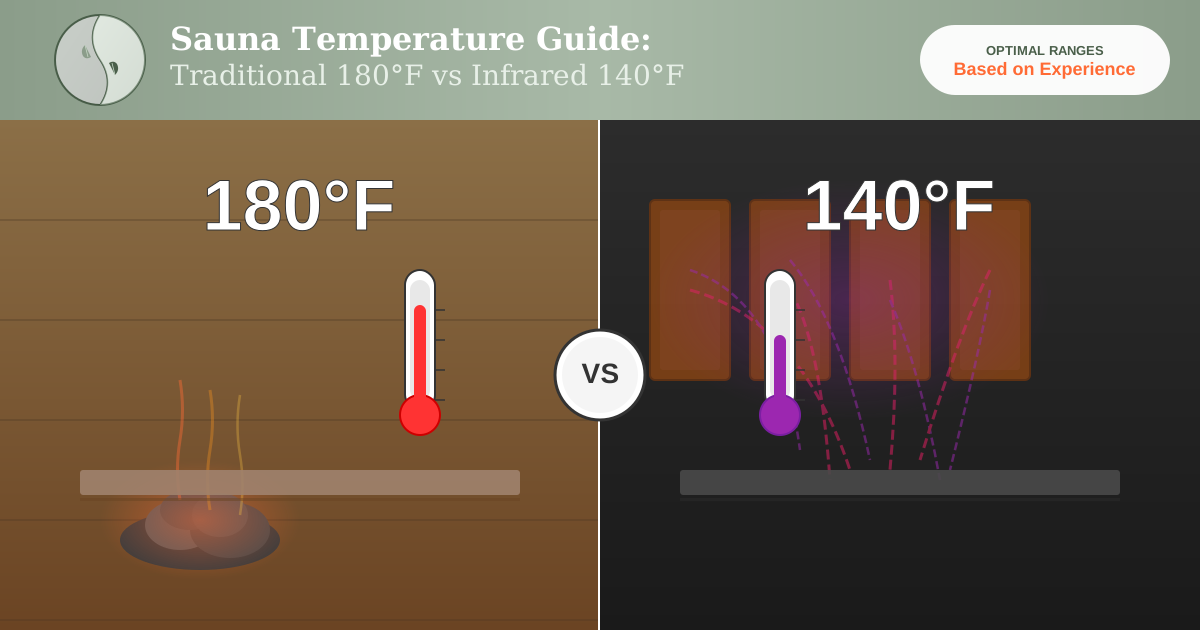
How Hot Should a Sauna Be? Infrared vs Traditional Temps Guide
There’s something almost ritualistic about stepping into a sauna. That first blast of heat hits you like a reset button. Muscles loosen, your breath slows down, and the stress of the day starts to melt away. For me, the sweet spot is a traditional sauna set to around 180 degrees. That’s where I feel the real magic happen: a deep, therapeutic heat that clears my mind and leaves me feeling relaxed.
But before you sit down and start sweating out the stress, there’s always that one question lingering: How hot should a sauna actually be? The right temperature isn’t just a matter of preference, it’s the key to comfort, safety, and unlocking the full benefits of heat therapy.
Whether you’re exploring traditional Finnish saunas or modern infrared options, the ideal temperature depends on the type of sauna, your experience level, and what you’re hoping to achieve. This guide will help you navigate the heat spectrum with confidence, understanding not just the numbers on the thermometer but what they mean for your body and your wellness goals.
| Feature | Traditional Sauna | Infrared Sauna |
|---|---|---|
| Temperature Range | 160°F – 195°F (71°C – 90°C) | 120°F – 150°F (49°C – 65°C) |
| Heating Method | Heats the air around you | Heats the body directly |
| Sweat Intensity | Higher sweat intensity | Gentler for beginners |
| Heat Experience | Feels hotter immediately | More comfortable heat |
Understanding Traditional Sauna Temperatures
Traditional saunas, also known as Finnish saunas or dry saunas, operate at temperatures that might initially seem extreme. The typical range falls between 150°F and 195°F (65°C to 90°C), with most enthusiasts settling into a sweet spot around 170°F to 180°F (77°C to 82°C). These temperatures create an environment where your body responds dramatically, increasing heart rate, dilating blood vessels, and triggering the profound sweating that defines the traditional sauna experience.
The sauna best temperature for traditional models often depends on humidity levels. When you pour water over heated rocks, creating steam, the perceived heat intensifies even though the actual temperature might not change significantly. This interplay between temperature and humidity is what makes traditional saunas so dynamic. A 170°F sauna with regular steam bursts can feel considerably hotter than a 180°F sauna with bone-dry air.
For beginners, starting at the lower end of the spectrum makes sense (see more here on how to use a sauna as a beginner). A temperature around 150°F to 160°F allows your body to acclimate gradually without overwhelming your system. As you build tolerance and understand your body’s signals, you can explore higher temperatures. Experienced sauna users often prefer temperatures between 175°F and 190°F, finding that these ranges deliver the cardiovascular benefits and deep relaxation they’re seeking.
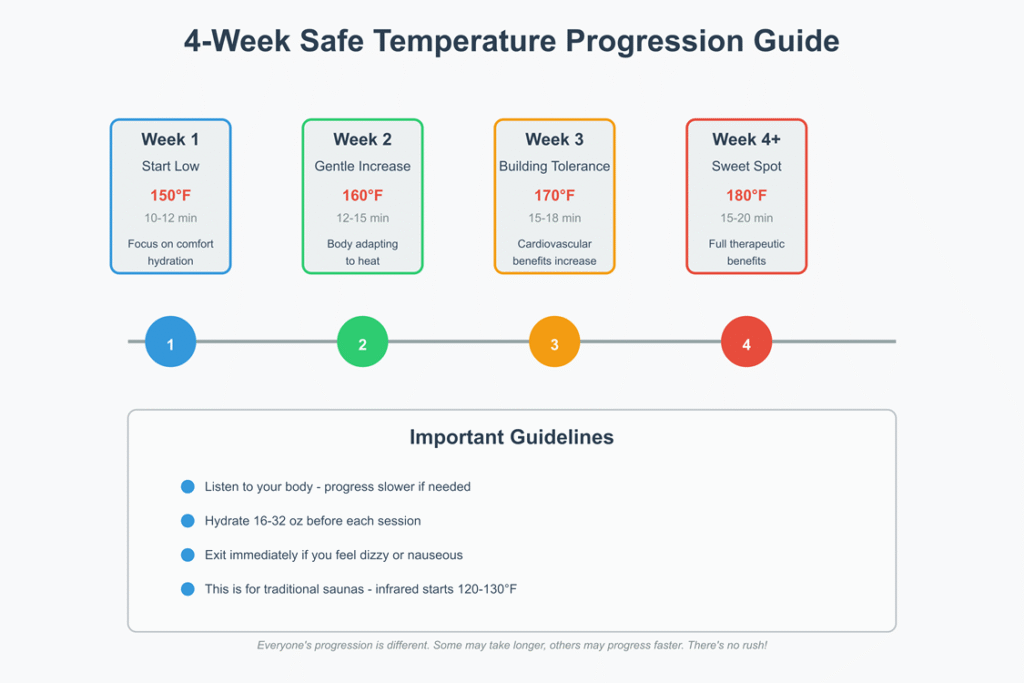
How Hot Do Infrared Saunas Get
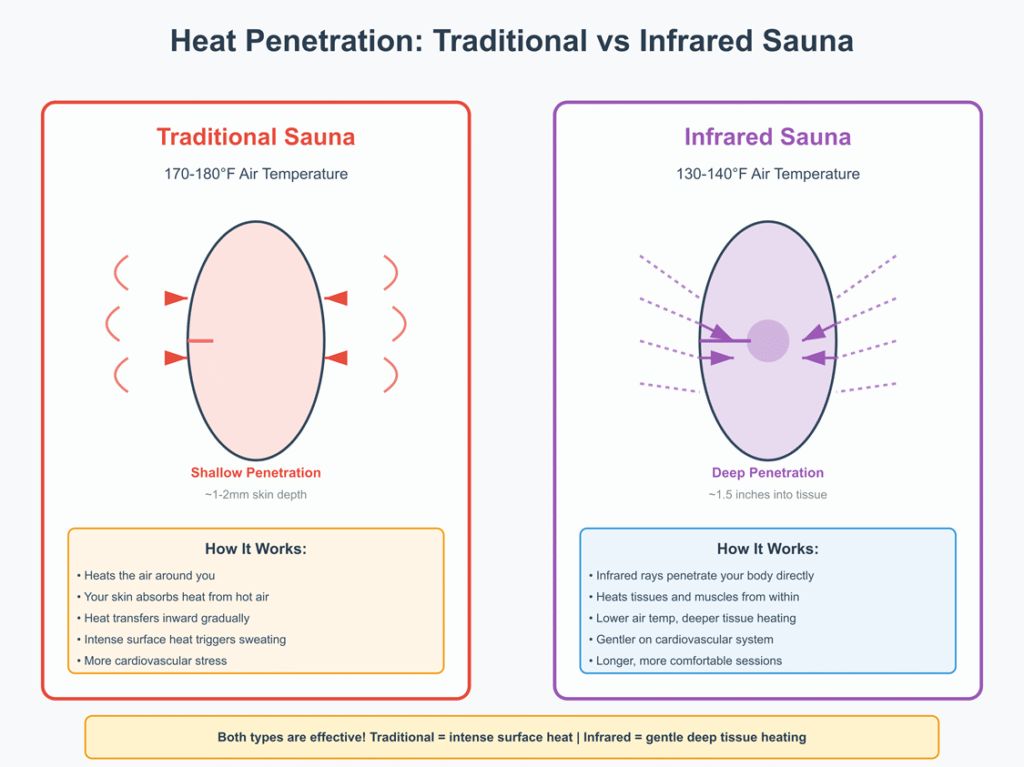
Infrared saunas operate on an entirely different principle, and consequently, at markedly different temperatures. These units typically range from 120°F to 150°F (49°C to 65°C), with many users finding their optimal experience between 130°F and 140°F. The lower temperatures might seem underwhelming at first glance, but infrared technology penetrates tissue differently than the convection heat of traditional saunas.
Infrared wavelengths, particularly far infrared, heat your body directly rather than heating the surrounding air first. This means you can achieve significant sweating and cardiovascular response at temperatures that would feel merely warm in a traditional sauna. The experience is less about enduring intense ambient heat and more about absorbing radiant energy that works from the inside out.
Research published in the Journal of the American College of Cardiology has shown that regular sauna bathing, including infrared sessions, can improve cardiovascular function and reduce the risk of cardiovascular events. The study noted that benefits were observed across various sauna types and temperatures, suggesting that consistency and duration matter as much as absolute heat levels.
How hot should sauna be for infrared sessions? Most manufacturers recommend starting at 120°F to 125°F and adjusting upward based on comfort. The lower barrier to entry makes infrared saunas appealing for people with heat sensitivity, certain medical conditions, or those new to heat therapy. You can comfortably spend 30 to 45 minutes in an infrared sauna at these temperatures, compared to the typical 15 to 20 minutes in a traditional sauna.
My Journey Finding the Right Temperature
I’ll admit that my first sauna experience was a bit humbling. Me and a couple friends were working out at a gym, one friend suggested we try the sauna, cranked to what I later learned was 190°F. I lasted maybe seven to eight minutes before feeling a bit overwhelmed and deciding to leave, questioning whether saunas were just not for me. The problem wasn’t the sauna; it was jumping into the deep end without understanding the heat aspect. Later in the day I noticed that I did feel better, so that’s what sparked the curiosity for me about saunas. This experience was party of my 25 year journey with different sauna types, which I go into more detail.
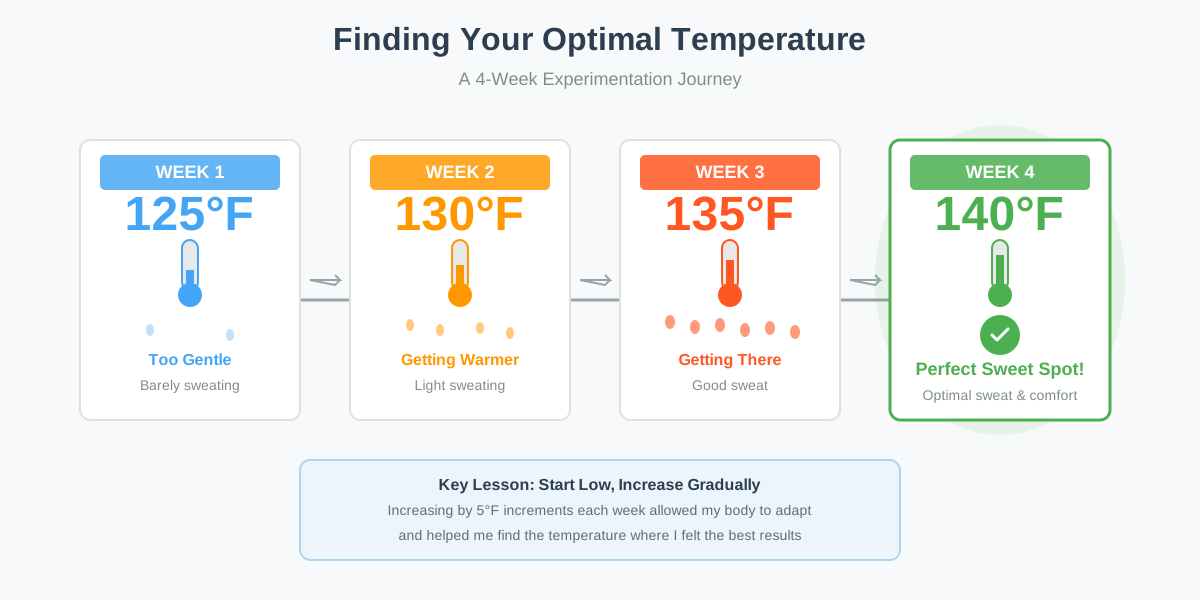
When I eventually installed an infrared sauna at home, I started at 130°F, which felt almost too gentle. Over several weeks, I experimented methodically, increasing the temperature by five-degree increments and paying attention to how my body responded. I discovered that my sweet spot for infrared sessions is around 140°F, a temperature where I break into a good sweat. It takes me a little longer to get a good sweat going in an infrared sauna, closer to 15-20 minutes vs 7-10 minutes in a traditional sauna. However, in a infrared sauna I can comfortably stay for 35 to 40 minutes while reading or meditating vs 20 minutes max in a traditional sauna.
Later, when I returned to traditional saunas with a more educated approach, I found that 180°F worked perfectly for me. This temperature allows me to enjoy the robust heat experience without cutting sessions short or feeling uncomfortable afterward. The lesson was clear: finding how hot it is in a sauna that works for you requires experimentation, patience, and honest attention to your body’s feedback.
Temperature Recommendations by Sauna Type
Different sauna technologies create distinct experiences, and understanding these nuances helps you set appropriate temperature expectations. Traditional Finnish saunas, which heat air through electric heaters or wood-burning stoves, function optimally between 150°F and 195°F. Within this range, lower temperatures (150°F to 165°F) suit beginners, moderate temperatures (165°F to 180°F) work for regular users, and higher temperatures (180°F to 195°F) appeal to experienced enthusiasts seeking intense sessions.
Steam rooms, while not technically saunas, deserve mention in any discussion about therapeutic heat. These environments operate at lower temperatures, typically 110°F to 120°F, but with 100% humidity. The combination creates a different but equally intense heat experience, with moisture condensing on your skin and creating a profoundly humid atmosphere.
Infrared saunas break into three categories based on wavelength: near infrared (which can operate slightly cooler), far infrared (the most common type), and full-spectrum models that combine wavelengths. How hot should a sauna get for infrared models? Most operate best between 120°F and 150°F, with far infrared models often set between 135°F and 145°F for optimal penetration and comfort.
Portable infrared saunas, which have gained popularity for their convenience and affordability, typically max out around 140°F to 150°F. While this limitation might seem restrictive, it actually aligns well with the therapeutic range for infrared heat, and these units can deliver meaningful benefits despite their compact design and lower peak temperatures.
Now that you understand temperature differences, see which specific models hit the sweet spot in my comprehensive home sauna buyer’s guide.
💡Related Reading: Get the full budget breakdown of all the different sauna types
Quick Reference
| Sauna Type | Beginner Temp | Intermediate | Advanced | Session Length |
|---|---|---|---|---|
| Traditional | 140-150°F | 165-180°F | 180-195°F | 10-20 min |
| Infrared | 120-130°F | 130-140°F | 140-150°F | 20-45 min |
| Steam Room | 110-115°F | 115-120°F | 115-120°F | 10-20 min |
Factors That Influence Your Ideal Temperature
Your optimal sauna temperature isn’t static; it shifts based on numerous variables. Experience level matters significantly. Someone who has been doing regular sauna sessions for years has developed cardiovascular adaptations and heat tolerance that a newcomer simply hasn’t built yet. Starting conservatively and progressing gradually isn’t just cautious; it’s physiologically smart.
Health status plays a crucial role in determining how hot should sauna be for your individual situation. People with cardiovascular conditions, respiratory issues, or heat sensitivity need to approach higher temperatures with caution, potentially staying in the lower ranges or choosing infrared options. Pregnancy, certain medications, and recent alcohol consumption all warrant temperature modifications or abstaining from sauna use altogether.
Session duration and temperature exist in an inverse relationship. Higher temperatures typically mean shorter sessions, while moderate temperatures allow for extended time. A 15-minute session at 180°F might deliver similar benefits to a 30-minute session at 140°F, though the subjective experience differs considerably. Your wellness goals should guide this balance. If you’re seeking deep relaxation and meditation time, moderate temperatures with longer sessions might serve you better than intense heat with quick exits.
Hydration status directly impacts heat tolerance. Entering a sauna even mildly dehydrated reduces your body’s ability to regulate temperature through sweating and increases the risk of adverse effects. Time of day matters too; many people find they tolerate heat better in the evening after adequate hydration throughout the day, compared to morning sessions when they might be relatively dehydrated from overnight sleep.
Other factors to Consider:
- Season/Ambient Temperature: Summer vs winter tolerance differences
- Pre-sauna Activity: Post-workout vs cold start
- Individual Factors: Age, fitness level, body composition
Safety Considerations and Temperature Limits
Understanding the upper limits of safe sauna temperatures protects you from potential harm while allowing you to explore the benefits of heat therapy confidently. Traditional saunas should generally not exceed 195°F (90°C), and most commercial facilities cap temperatures at 185°F to 190°F for liability reasons. These upper limits exist because higher temperatures increase the risk of burns, especially from accidental contact with heating elements or metal surfaces, and can overwhelm the body’s thermoregulatory systems.
For infrared saunas, temperatures above 150°F to 160°F serve little purpose and may indicate equipment malfunction. The therapeutic benefits of infrared technology don’t improve with excessive heat, and unnecessarily high temperatures can create discomfort without additional wellness gains.
Recognizing warning signs that the sauna temperature is too hot for your current state is essential. Dizziness, nausea, headache, excessive rapid heartbeat, or feeling faint all indicate you need to exit immediately and cool down. These symptoms suggest your body’s heat dissipation mechanisms are being overwhelmed. Ignoring them can lead to heat exhaustion or, in extreme cases, heat stroke.
💡Related Reading: Learn more about building an optimal sauna routine, see my guide on how often you should use a sauna
The recommended approach for any sauna session involves starting with moderate temperatures and shorter durations, especially if you’re new or haven’t had a session recently. Listen to your body’s signals without pushing through discomfort that feels wrong. Exit when you feel you’ve had enough rather than trying to reach an arbitrary time goal. Cool down gradually rather than jumping into ice-cold water immediately, unless you’re specifically practicing contrast therapy under guidance.
A study from the University of Eastern Finland, published in JAMA Internal Medicine, found that men who used saunas four to seven times per week at temperatures between 174°F and 212°F (79°C to 100°C) had a 50% lower risk of fatal cardiovascular events compared to those who used saunas once weekly. However, the research emphasized that these benefits were associated with regular, properly conducted sessions, not simply enduring the highest possible temperatures.
| Do These | Avoid These |
|---|---|
| Hydrate before & after | Alcohol beforehand |
| Cool down gradually | Pushing past dizziness |
| Listen to your body | Long sessions as a beginner |
| Use a towel on the bench | Metal jewelry in high heat |
Optimizing Temperature for Specific Wellness Goals
Different wellness objectives align with different temperature strategies. For cardiovascular conditioning and mimicking exercise benefits, higher temperatures in traditional saunas (175°F to 185°F) for 15 to 20 minutes create the elevated heart rate and increased cardiac output that deliver training effects. This approach suits experienced users who have built heat tolerance and want robust cardiovascular stimulation.
For detoxification and deep sweating, both traditional and infrared saunas work effectively, but through different mechanisms. Traditional saunas at 165°F to 180°F produce voluminous sweating through intense ambient heat. Infrared saunas at 135°F to 145°F achieve substantial sweating through tissue penetration, often with less perceived stress on the cardiovascular system. The choice depends on your preference and tolerance.
| Beginners | Experienced Users |
|---|---|
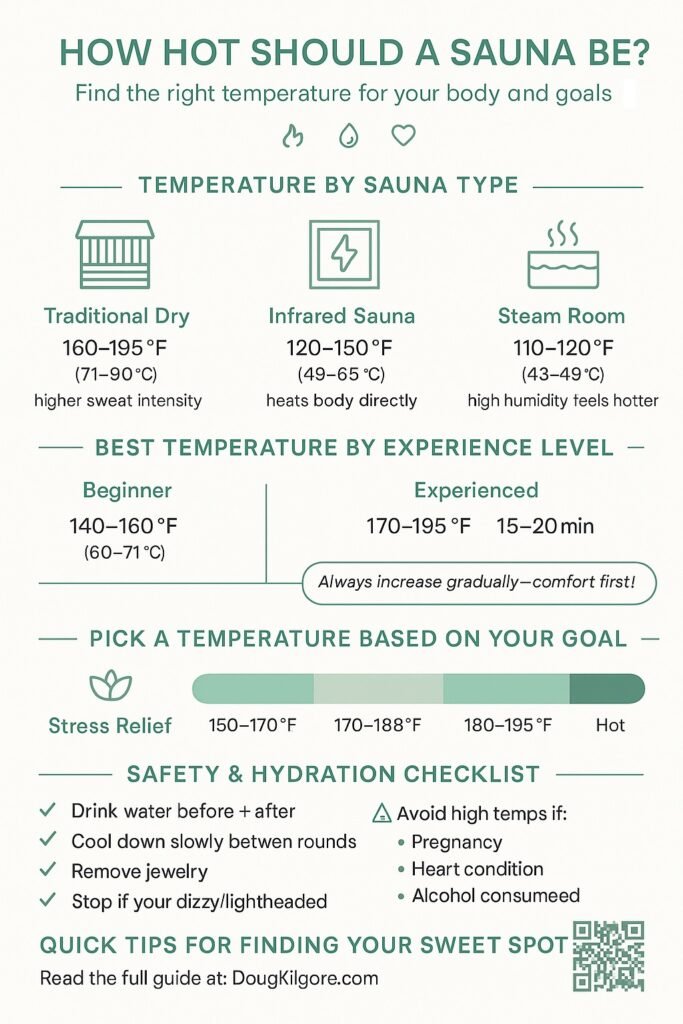
| 140°F – 160°F (60°C – 71°C) | 170°F – 195°F (77°C – 90°C) |
| Shorter sessions (10-12 min) | Longer sessions (15-20 min) |
| Lower heart rate elevation | Higher sweat output |
| Focus on comfort and hydration | More heat-adapted tolerance |
Muscle recovery and pain relief often respond well to infrared sauna sessions at moderate temperatures (130°F to 145°F) for extended durations (30 to 40 minutes). The deeper tissue penetration of infrared wavelengths may enhance blood flow to sore muscles and joints without the intensity of high-heat traditional sessions. Athletes frequently incorporate these moderate-temperature, longer-duration sessions into their recovery protocols.
Stress reduction and relaxation can happen across the temperature spectrum, but many people find moderate temperatures (150°F to 165°F in traditional saunas, 125°F to 140°F in infrared models) allow them to stay longer and sink more deeply into a meditative state. When the physical challenge of managing extreme heat decreases, mental relaxation often increases.
Want to avoid the mistakes I made?
Get my free 20-Year Sauna Guide with complete comparison of all 3 types, budget breakdowns, and the electrical requirements nobody tells you about.
23 pages of hard-won experience. Useful insights you can actually apply.
Pre/Post Sauna Protocol (What to Include)
- Before Session: Hydrate 16-32oz water 30 min before, light/empty stomach, remove jewelry/contacts, bring towel
- During Session: Sip water for sessions >20 min, change positions (sit/lie), breathe normally
- After Session: Cool down gradually 5-10 min, shower timing (wait 10-15 min for continued sweating benefits), rehydrate with electrolytes if >30 min session
💡Related Reading: Looking For more insights on building a sustainable sauna practice? Read about my complete 25-year sauna journey
Frequently Asked Questions
Traditional saunas typically average between 150°F and 180°F (65°C to 82°C), while infrared saunas usually operate between 120°F and 140°F (49°C to 60°C). The specific temperature varies based on sauna type, personal preference, and intended use.
Beginners should start with traditional saunas at 140°F to 150°F or infrared saunas at 120°F to 130°F. These moderate temperatures allow your body to adapt gradually while still providing therapeutic benefits. As tolerance builds over several sessions, you can incrementally increase temperature based on comfort.
Research suggests benefits occur across a range of temperatures rather than at a single optimal point. Traditional saunas between 165°F and 185°F and infrared saunas between 130°F and 145°F both deliver cardiovascular, detoxification, and relaxation benefits when used regularly. Consistency matters more than achieving extreme temperatures.
Commercial gyms and spas typically maintain traditional saunas between 160°F and 180°F for safety and broad appeal. Infrared sauna studios usually operate between 130°F and 145°F. These settings accommodate diverse users while minimizing risk of heat-related incidents.
Troubleshooting Guide
| Symptom | What It Means | What To Do |
|---|---|---|
| Dizziness | Overheating or dehydration | Exit immediately, cool down, hydrate |
| Nausea | Temperature too high | Exit, rest, lower temp next time |
| Headache | Dehydration likely | Exit, drink water, rest |
| Rapid heartbeat | Normal at higher temps, but monitor | If uncomfortable, exit and cool down |
Finding Your Perfect Temperature
The question of how hot should a sauna be ultimately becomes a personal exploration rather than a fixed prescription. Temperature serves as a tool, not a destination. Whether you prefer the intense dry heat of a traditional sauna at 180°F or the gentler penetrating warmth of an infrared unit at 135°F, the goal remains the same: creating conditions where your body can relax, detoxify, and heal.
Start conservatively, especially if you’re new to heat therapy or returning after a break. Pay attention to your body’s signals rather than pushing through discomfort to meet arbitrary goals. Hydrate thoroughly before, during, and after sessions. Give yourself permission to exit whenever you feel you’ve had enough, regardless of how much time has elapsed.
As you develop your sauna practice, you’ll likely discover that your ideal temperature evolves. What felt impossibly hot during your first sessions may become comfortably stimulating after a few months of regular use. Conversely, you might find that moderate temperatures with longer durations serve your wellness goals better than brief exposures to extreme heat.
The beauty of sauna therapy lies in its flexibility. There’s no need to suffer through temperatures that feel wrong or to judge your experience against someone else’s preferences. Your perfect sauna temperature is the one that leaves you feeling restored, relaxed, and eager to return for your next session. Experiment thoughtfully, stay safe, and trust that your body will guide you toward the heat that serves you best.
💡Related Reading: Ready to choose a sauna that delivers your ideal temperature experience? Start with my detailed reviews of the top 8 home saunas.
Thinking about getting a sauna?
If you’re looking for clarity, my complete 23 page guide brings together everything I learned from 25 years of trying traditional, infrared, and portable saunas.