
How Much Does a Sauna Cost? The Complete Breakdown for Every Budget and Style
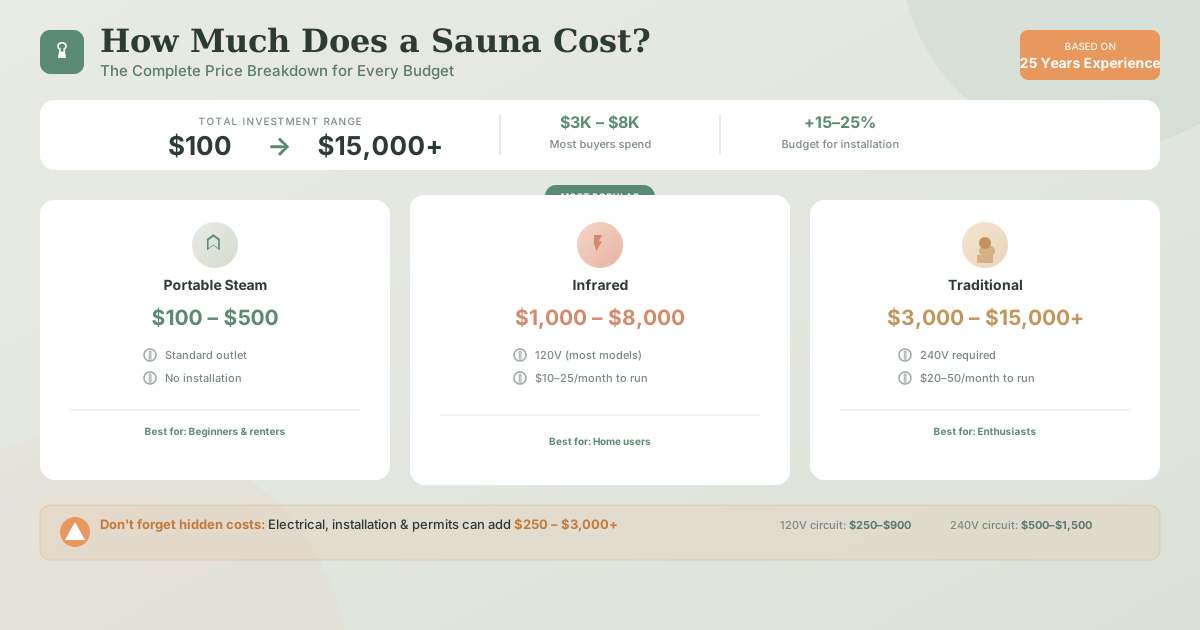
If you have been dreaming about installing a sauna at home, the first question on your mind is probably straightforward: how much does a sauna cost? The answer is anything but simple. Depending on the type of sauna you choose, where you plan to install it, and whether you need electrical work, you could spend anywhere from $100 to over $15,000.
Getting this decision wrong can be costly in ways beyond the sticker price. Buy a sauna that requires electrical upgrades you did not budget for, and you are looking at hundreds or thousands in unexpected expenses. Choose the wrong type for your goals, and you might end up with expensive equipment gathering dust in your spare room. Pick a model that does not quite fit your space or lifestyle, and the health benefits you were chasing might never materialize.
The good news is that this guide will walk you through every cost consideration, from initial purchase price to monthly operating expenses, so you can make an informed decision that fits your budget and your wellness goals. I have owned multiple saunas over the past two decades, including an infrared model, a portable steam unit, and currently use a traditional sauna at my gym. I have made the expensive mistakes so you do not have to.
Understanding Sauna Costs: What Actually Matters
Before diving into specific numbers, it helps to understand what drives sauna pricing. The primary factors include the heating technology (traditional, infrared, or steam), the size and material quality, and whether the unit is designed for indoor or outdoor use.
Traditional saunas heat the air around you using electric or wood-burning heaters, typically reaching temperatures between 150 and 190 degrees Fahrenheit. Infrared saunas use light panels to heat your body directly at lower air temperatures (usually 120 to 150 degrees). Steam saunas, also called wet saunas, generate moist heat through a steam generator.
A common misconception is that more expensive always means better results. In reality, the best sauna for you depends on your specific wellness goals, available space, and how you plan to use it. Someone focused on deep relaxation and stress relief might thrive with a traditional sauna, while someone wanting quicker sessions with easier home integration might prefer infrared.
Research suggests that both traditional and infrared saunas offer meaningful health benefits, including improved cardiovascular function, better sleep, and reduced stress. The key is choosing a sauna you will actually use consistently, not the one with the highest price tag.
The Complete Sauna Cost Framework
Understanding how much does a sauna cost requires breaking down the investment into three categories: upfront purchase price, installation costs, and ongoing operating expenses. Here is what to expect across each sauna type.
| Sauna Type | Purchase Price | Installation Cost | Monthly Operating | Best For |
|---|---|---|---|---|
| Portable Steam | $100 – $500 | $0 | $5 – $15 | Budget buyers, renters, beginners |
| Infrared (1-2 Person) | $1,000 – $3,000 | $0 – $900 | $10 – $20 | Convenience seekers, home users |
| Infrared (3-4 Person) | $3,000 – $6,000 | $250 – $900 | $15 – $25 | Families, regular users |
| Traditional Indoor | $3,000 – $10,000 | $500 – $2,000 | $20 – $40 | Serious enthusiasts |
| Barrel / Outdoor | $3,000 – $12,000 | $1,000 – $3,500 | $25 – $50 | Backyard installations |
| Custom Traditional | $15,000 – $50,000+ | $2,000 – $10,000 | $30 – $60 | Luxury, permanent installations |
Traditional Sauna Cost
Traditional saunas remain the gold standard for authentic heat therapy, and their pricing reflects the range of options available. A basic prefabricated indoor traditional sauna starts around $3,000 to $6,000, while mid-range models with better wood quality and heater specifications run $6,000 to $10,000. Premium and custom traditional saunas can exceed $15,000, with fully custom builds reaching $50,000 or more for luxury installations.
Barrel saunas, popular for outdoor placement, typically cost between $3,000 and $12,000 depending on size and wood type. A quality 4-person barrel sauna generally falls in the $5,000 to $8,000 range, with 6 to 8 person models running $6,000 to $10,000.
One factor many buyers overlook is the electrical requirement. Most traditional sauna heaters need a dedicated 220 to 240-volt circuit, which adds to your sauna installation cost. I learned this the hard way when I discovered my preferred traditional sauna would require over $1,200 in electrical work, which ultimately steered me toward gym membership instead, for now anyway.
Infrared Sauna Cost
Infrared saunas generally offer more accessible pricing for home installation. Entry-level 1 to 2 person infrared saunas start around $1,000 to $2,000. Mid-range models with better panel coverage and construction quality run $2,000 to $5,000. Premium infrared saunas with advanced features like chromotherapy and near-infrared panels can reach $5,000 to $8,000.
The electrical advantage of infrared saunas is significant. Many models operate on standard 120-volt household circuits, eliminating the need for electrical upgrades. However, this brings its own considerations. When I purchased my first infrared sauna for around $2,000, the listing claimed it would work with a standard outlet. What I did not realize was that the 1,500-watt draw, combined with other devices on the same circuit, would trip the breaker regularly. A dedicated 20-amp circuit would have solved this, but I had not budgeted for that electrical work.
Portable and Steam Sauna Cost
For budget-conscious buyers or those with limited space, portable saunas offer an entry point into regular heat therapy. Basic portable steam saunas start as low as $100 to $200 at retailers like Amazon and Walmart. Mid-range portable units with better construction and features run $200 to $500. Premium portable saunas with enhanced steam generators or red light therapy panels can reach $500 to $800.
I used a portable steam sauna for about two years when I wanted to get back into regular heat therapy without major investment. At around $200, it delivered surprisingly effective results. I could get a solid sweat going within 10 minutes, and the relaxation benefits were noticeable. The trade-off was maintenance; the moisture meant regular cleaning every week or two to prevent mildew buildup.
💡 Quick Price Comparison
Portable
$100 – $800
Standard outlet
Infrared
$1K – $8K
120V (most models)
Traditional
$3K – $15K+
240V required
Barrel/Outdoor
$3K – $12K
240V + foundation
Note: Add 15-25% for electrical work and installation where required
Sauna Installation Cost Breakdown
Beyond the purchase price, sauna installation cost varies significantly based on your situation. Understanding these expenses upfront prevents budget surprises.
Electrical work represents the most common hidden cost. A dedicated 120-volt 20-amp circuit typically runs $250 to $900. A 240-volt circuit for traditional saunas costs $500 to $1,500 on average, with complex installations reaching $2,000 to $3,500. Prices vary based on distance from your electrical panel, local labor rates, and whether any panel upgrades are needed.
Professional assembly costs $200 to $500 for most prefabricated indoor units, if you opt for that. Outdoor saunas requiring foundation work, decking, or enclosure modifications can add $500 to $2,000 in additional labor.
Permits vary by location but typically run $50 to $200 where required. Many jurisdictions do not require permits for outbuildings under 100 square feet or for electrical work below certain thresholds, but checking local codes is essential.
Sauna Operating Costs
How much does a sauna cost per month to run? This depends heavily on sauna type, usage frequency, and local electricity rates.
Infrared saunas are the most energy-efficient, consuming 1 to 2 kilowatts per hour. At average electricity rates around $0.12 to $0.15 per kilowatt-hour, running an infrared sauna daily for 30 to 40 minutes costs roughly $10 to $20 per month.
Traditional electric saunas draw more power, typically 3 to 9 kilowatts per hour. Monthly costs for regular use (3 to 4 sessions weekly) generally run $20 to $40, though this can climb higher with larger units or higher local electricity rates.
Portable steam saunas fall on the low end, typically costing $5 to $15 monthly for regular use.
Wood-burning saunas eliminate electrical operating costs but introduce firewood expenses, averaging $40 to $50 monthly for twice-weekly use.
How Much Does a Sauna Cost?
The Complete Price Breakdown for Every Budget
Total Investment Range (Purchase + Installation)
Cost by Sauna Type
🎪 Portable Steam
Installation $0
Monthly Cost $5 – $15
Electrical Standard outlet
💡 Infrared (1-2 Person)
Installation $0 – $900
Monthly Cost $10 – $20
Electrical 120V (most models)
💡 Infrared (3-4 Person)
Installation $250 – $900
Monthly Cost $15 – $25
Electrical 120V – 240V
🔥 Traditional Indoor
Installation $500 – $2,000
Monthly Cost $20 – $40
Electrical 240V required
🛖 Barrel / Outdoor
Installation $1,000 – $3,500
Monthly Cost $25 – $50
Electrical 240V + foundation
✨ Custom Traditional
Installation $2,000 – $10,000
Monthly Cost $30 – $60
Electrical Custom requirements
Quick Picks by Situation
Customizing Your Sauna Investment
The right sauna choice depends on your specific situation, goals, and constraints. Here is how to match your investment to your needs.
For Beginners on a Budget
If you are new to sauna use and want to test whether you will stick with it, starting with a portable steam sauna in the $150 to $300 range makes sense. You can develop your routine, understand what temperature and session length works for you, and confirm you will actually use a sauna regularly before committing thousands of dollars. The downside is higher maintenance and less aesthetic appeal.
For Those Prioritizing Convenience
Infrared saunas offer the best balance of effectiveness and ease for most home users. The lower heat feels more comfortable for newcomers, the plug-and-play electrical requirements simplify installation, and preheat times are shorter than traditional saunas. A quality 2 to 3 person infrared sauna in the $1,500 to $4,500 range provides room to use it comfortably and will serve most wellness goals effectively. I found my infrared sauna required about 25 minutes to fully preheat, but once warm, it delivered consistent sessions.
For Serious Heat Therapy Enthusiasts
If you want the full traditional sauna experience with temperatures reaching 180 degrees or higher, budget for both the unit and proper electrical installation. Plan for a total home sauna cost of $5,000 to $12,000 including installation. For outdoor barrel saunas, add foundation preparation costs. The higher investment delivers the most authentic sauna experience and, in my experience, the most pronounced benefits for skin health and stress reduction.
For Limited Space or Rental Situations
Portable saunas or compact 1-person infrared units solve the space and commitment problem. You can store many portable models in a closet when not in use, and most do not require any electrical modifications. This category runs $100 to $1,500 depending on type and quality.
🎯 Find Your Fit
Beginners / Budget
Portable Steam
$150 – $300
Test the habit before committing
Convenience / Home Use
2-3 Person Infrared
$1,500 – $4,500
Best balance of ease and effectiveness
Serious Enthusiasts
Traditional / Barrel
$5,000 – $12,000
Authentic experience, max benefits
Limited Space / Renters
Portable / Compact IR
$100 – $1,500
No installation, easy to store
What Doesn’t Work: Common Sauna Buying Mistakes
After two decades of sauna use and ownership, I have learned several expensive lessons worth sharing.
The first mistake is ignoring electrical requirements. Many buyers focus entirely on the sauna price without researching what their electrical panel and circuits can support. When a sauna listing says it works with a standard outlet, that technically means it draws 15 amps or less. But if anything else shares that circuit, you may experience regular breaker trips. Budget for a dedicated circuit even for infrared saunas, or at minimum, confirm your target location has a circuit with adequate capacity.
The second mistake is underestimating preheat time. Traditional saunas can take 30 to 45 minutes to reach optimal temperature. Infrared saunas typically need 15 to 25 minutes. If you are planning to squeeze in quick sessions before work, factor this into your routine planning. I found that long preheat times eventually reduced my usage frequency because I could not fit full sessions into my schedule.
The third mistake is buying too small. A 1-person sauna sounds practical, but most people find them claustrophobic after a few uses. If budget allows, sizing up to a 2 to 3 person model provides more comfortable sessions and better resale value. My 3-person infrared sauna gave me room to adjust positions and actually relax.
The fourth mistake is forgetting about maintenance requirements. Steam and wet saunas require regular cleaning to prevent mildew. Some wood types need periodic treatment. Traditional saunas may need heating element replacement every 5 to 10 years. Factor these ongoing costs and time requirements into your decision.
The fifth mistake is not testing before buying. If possible, visit a local spa, gym, or showroom to experience different sauna types before purchasing. The difference between infrared and traditional heat is significant, and personal preference varies widely. I thought I would prefer infrared for home use, but ultimately found traditional sauna delivered the results I wanted.
⚠️ Before You Buy: Quick Checklist
- Electrical: Verified circuit capacity or budgeted for dedicated circuit?
- Time: Factored in 15-45 minute preheat time to your routine?
- Size: Considered 2-3 person even for solo use?
- Maintenance: Understood cleaning and upkeep requirements?
- Experience: Tested both infrared and traditional heat in person?
Getting Started: Your Sauna Action Plan
Ready to move forward with your sauna purchase? Here is a practical implementation approach.
First, define your budget range by calculating total cost of ownership, not just purchase price. Add 15 to 25 percent to the sticker price to cover potential electrical work, assembly, and first-year operating costs.
Second, assess your space and electrical situation. Measure your intended location and check your electrical panel. Note the distance from the panel to the installation location, as this affects electrical installation costs. If you rent or have complex electrical situations, lean toward portable options.
Third, research 3 to 5 specific models in your budget range. Read sauna reviews focusing on durability, customer service experiences, and real-world usage reports rather than marketing claims.
Fourth, start with 2 to 3 sessions weekly once your sauna is installed. Track how you feel before and after sessions, noting any improvements in sleep, stress, skin condition, or recovery. Give yourself at least 3 to 4 weeks before evaluating whether the investment is paying off.
Signs your sauna practice is working include better sleep quality on usage days, visibly healthier skin, reduced stress levels, and feeling like you have more energy overall. Signs you may need to adjust include disrupted sleep (often from using the sauna too late in the day), no noticeable benefits after several weeks of consistent use, or finding excuses to skip sessions.
🚀 Your 4-Step Action Plan
Sticker price + 15-25% for electrical, assembly, and operating costs
Measure location, check panel capacity, note distance for wiring
Focus on durability, customer service, and real-world reviews
2-3 sessions weekly, evaluate after 3-4 weeks
Common Questions About Sauna Costs
The average home sauna cost ranges from $3,000 to $6,000 for a quality prefabricated unit suitable for most users. Entry-level options start around $1,000 for basic infrared models, while premium traditional saunas can exceed $10,000. Including installation, most buyers spend $4,000 to $8,000 total.
Sauna installation cost varies from $0 for plug-and-play infrared units to $3,000 or more for traditional saunas requiring electrical upgrades, foundation work, or custom carpentry. Electrical work alone typically runs $250 to $1,500 depending on circuit requirements and distance from your panel.
Installing a dedicated 120-volt 20-amp circuit costs $250 to $900 on average. A 240-volt circuit for traditional sauna heaters typically runs $500 to $1,500, with complex installations reaching $2,000 to $3,500. Get multiple quotes from licensed electricians, as prices vary significantly by region.
Monthly sauna operating costs range from $10 to $50 depending on type and usage frequency. Infrared saunas are most efficient at $10 to $20 monthly for daily use. Traditional electric saunas typically cost $20 to $40 monthly with regular use. Portable steam saunas fall in the $5 to $15 range.
Yes, infrared saunas generally cost less both upfront and to operate. Purchase prices for infrared start around $1,000 compared to $3,000 for traditional. Operating costs are roughly 50 percent lower due to lower wattage requirements. Installation is often simpler as many infrared units use standard outlets.
Home saunas deliver value for consistent users who will take 3 or more sessions weekly. At that frequency, a $3,000 sauna pays for itself versus gym memberships or spa visits within 2 to 3 years while offering unlimited use. Those uncertain about their commitment should start with portable options or gym access to confirm the habit before investing.
Quality home saunas last 15 to 25 years with proper maintenance. Heating elements may need replacement every 5 to 10 years at a cost of $100 to $400. Wood maintenance requirements vary by type, with cedar requiring less upkeep than softer woods. Infrared panels typically last 5 to 10 years before efficiency drops noticeably.
Common hidden costs include electrical upgrades ($250 to $1,500), assembly or installation labor ($200 to $500), permit fees where required ($50 to $200), and minor accessories like sauna buckets, ladles, and thermometers ($50 to $150). Budget an additional 15 to 25 percent beyond the purchase price to avoid surprises.
Hidden Costs To Budget For
| Cost Category | Price Range |
|---|---|
| Dedicated 120V Circuit | $250 – $900 |
| 240V Circuit Installation | $500 – $1,500 |
| Electrical Panel Upgrade | $1,000 – $3,000 |
| Professional Assembly | $200 – $500 |
| Foundation/Pad Work (outdoor) | $500 – $2,000 |
| Permits (where required) | $50 – $200 |
Key Takeaways
Here are the essential points to remember when planning your sauna investment:
📌 At a Glance
$3K – $8K
Typical total investment
$10 – $50
Monthly operating cost
$250 – $1,500
Electrical (often overlooked)
~$1,000
Infrared entry point
- Total home sauna cost ranges from $100 for portable units to $15,000 or more for premium traditional saunas, with most buyers spending $3,000 to $8,000 including installation.
- Infrared saunas offer the lowest barrier to entry with prices starting around $1,000, simpler electrical requirements, and the lowest operating costs.
- Traditional saunas deliver the most authentic experience but require dedicated 240-volt circuits, adding $500 to $1,500 to your budget.
- Monthly operating costs run $10 to $50 depending on sauna type and usage frequency, making ongoing expenses manageable for most budgets.
- Electrical requirements represent the most commonly overlooked cost, so assess your electrical panel situation before committing to a purchase.
- Start with your wellness goals, not the equipment, and choose the sauna type that matches how you will realistically use it.
- Portable saunas offer a low-risk way to test your commitment before investing in permanent installations.
Making Your Decision
The question of how much does a sauna cost ultimately depends on your priorities, space, and budget. Whether you invest $200 in a portable steam sauna or $10,000 in a custom traditional installation, the real return comes from consistent use.
Every situation is different. Someone in an apartment with limited budget has different optimal solutions than a homeowner with dedicated wellness space. The numbers in this guide provide a framework, but your specific circumstances will determine which path makes the most sense.
The most expensive sauna mistake is buying equipment that sits unused. Start where you can, establish the habit, and upgrade as your commitment proves itself. I have used everything from $200 portable units to gym saunas to home infrared, and the constant across all of them has been this: the best sauna is the one you actually use.
Still feeling stuck on which sauna is for you?
If you’re looking for clarity, my complete 23 page guide brings together everything I learned from 25 years of trying traditional, infrared, and portable saunas.