
How Often Should You Sauna for Maximum Health Benefits?
If you’ve ever left a sauna session feeling completely transformed; clearer minded, deeply relaxed, maybe even a little euphoric, you’ve probably thought about making it a regular part of your routine. But then the questions start piling up. Should you go every day? A few times a week? Is there such a thing as too much? And does frequency even matter, or is it just about showing up when you can?
It’s a question I wrestled with myself when I first added regular sauna sessions to my wellness routine. Too infrequent and I wasn’t seeing the benefits I’d read about. Too often and I felt drained rather than rejuvenated. The truth is, sauna frequency isn’t one-size-fits-all, but there are evidence-based guidelines that can help you find your sweet spot.
Whether you’re chasing better sleep, stress relief, improved focus, or faster recovery, understanding how often to use a sauna can transform it from an occasional luxury into a cornerstone of your wellness practice.
💡Related Reading: The best sauna is one you’ll actually use consistently. Start by choosing the right type and model for your situation.
The Science Behind Sauna Frequency
Before we dive into specific recommendations, it’s worth understanding what actually happens when you use a sauna regularly. The cardiovascular system responds to heat stress in ways that mirror moderate exercise. Your heart rate increases, blood vessels dilate, and circulation improves. Over time, these adaptations can lead to measurable health benefits.
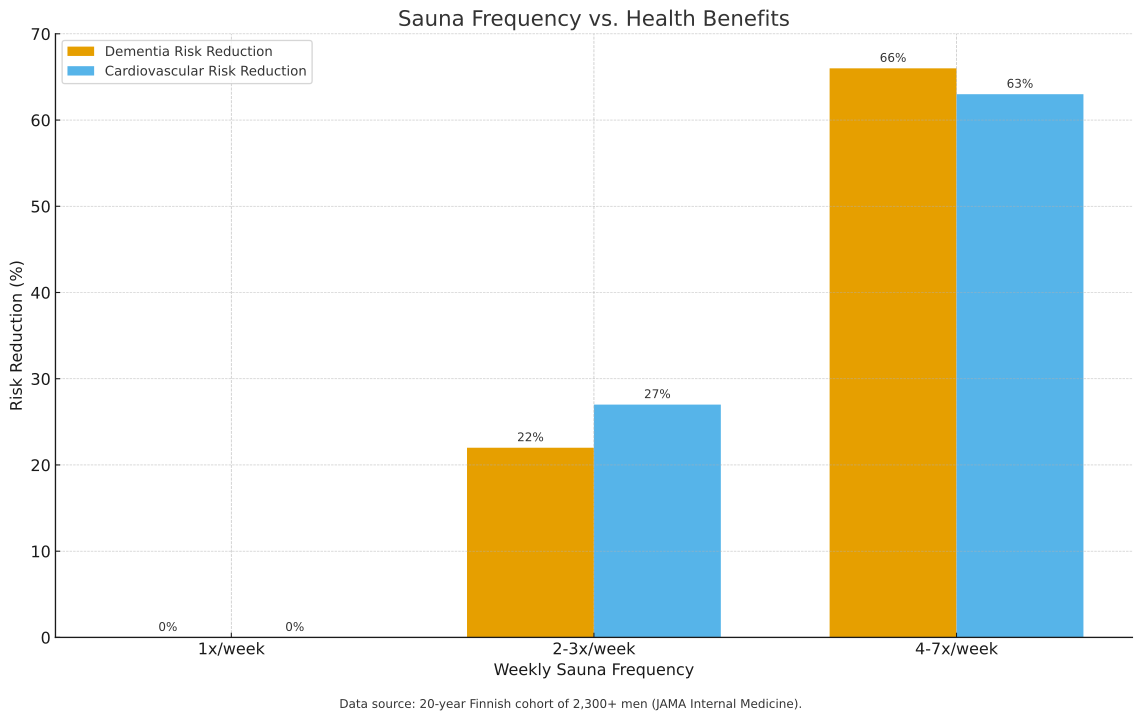
A landmark study followed over 2,300 middle-aged Finnish men for more than 20 years. The researchers found that men who used a sauna four to seven times per week had a 66% lower risk of developing dementia compared to those who used it just once weekly. The cardiovascular benefits were equally striking, with frequent sauna users showing significantly reduced risk of fatal heart events.
💡Related Reading: Understand different sauna types and how they work, check out my article on my 25 years of experience with saunas
But here’s what makes this research particularly interesting: the benefits appeared to scale with frequency. Those using saunas two to three times per week saw moderate improvements, while four to seven sessions per week produced the most dramatic results. This suggests a dose-response relationship, where more frequent exposure yields greater returns, up to a certain point.
From a physiological perspective, this makes sense. Regular heat exposure triggers a process called hormesis, where repeated mild stress trains your body to become more resilient. Heat shock proteins increase, inflammation decreases, and your body becomes more efficient at regulating temperature and stress responses. These adaptations don’t happen overnight, which is why consistency matters more than intensity.
How Often Should You Use a Sauna? General Guidelines
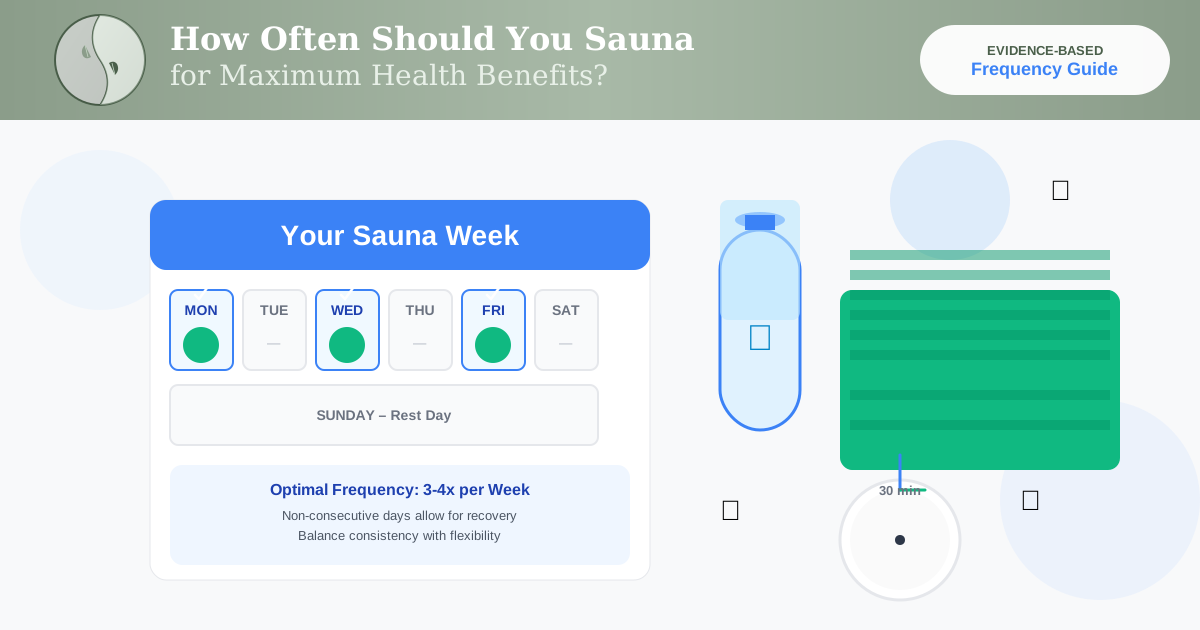
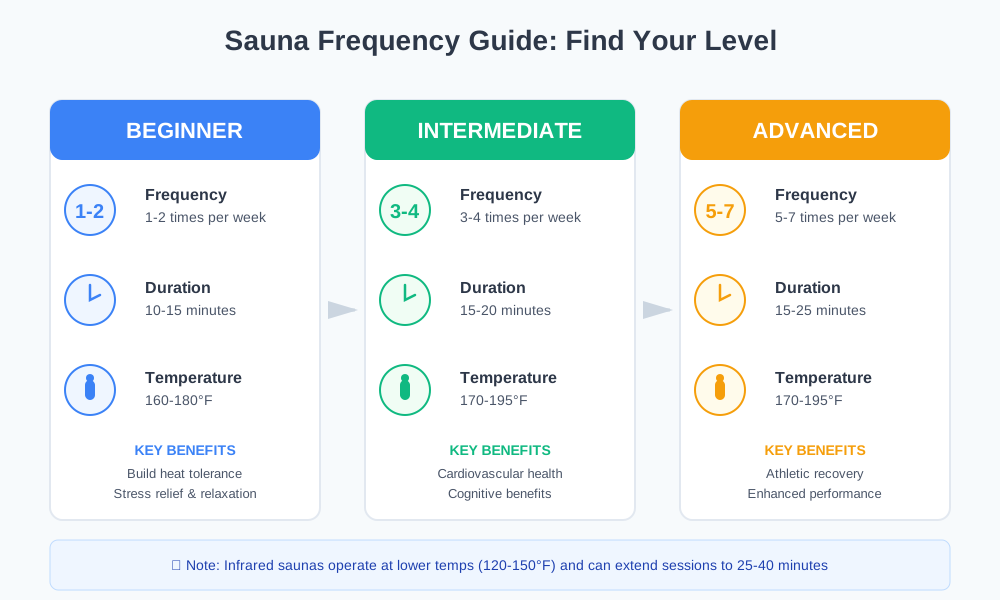
For most people seeking general health and wellness benefits, the research points to a sweet spot of three to four sessions per week. This frequency appears to offer substantial cardiovascular, cognitive, and recovery benefits without overtaxing your system or requiring an unsustainable time commitment.
If you’re just starting out, begin with one to two sessions per week and gradually increase as your body adapts. Think of it like any new wellness practice. You wouldn’t jump into advanced yoga or start running marathons on day one. Your heat tolerance needs time to develop, and jumping in too aggressively can lead to dehydration, dizziness, or simply burnout from the commitment. See more on how to use a sauna.
For wellness enthusiasts or those with specific recovery goals, daily sauna use can be beneficial and safe, provided you’re listening to your body and staying properly hydrated. Athletes often use saunas five to seven times per week to enhance recovery, reduce muscle soreness, and improve endurance. However, this level of frequency requires attention to hydration status, electrolyte balance, and overall energy levels.
The duration of each session matters too. Most research showing health benefits involved sessions lasting 15 to 20 minutes at temperatures between 170°F and 195°F for traditional saunas. If you’re using an infrared sauna, which operates at lower temperatures (typically 120°F to 150°F), you might extend sessions to 25 to 40 minutes for comparable benefits.
Tailoring Frequency to Your Wellness Goals
The optimal answer to “how often should you go to sauna” depends significantly on what you’re trying to achieve. Different wellness goals may call for different approaches. I’ve used traditional, infrared and steam saunas extensively over 25 years.
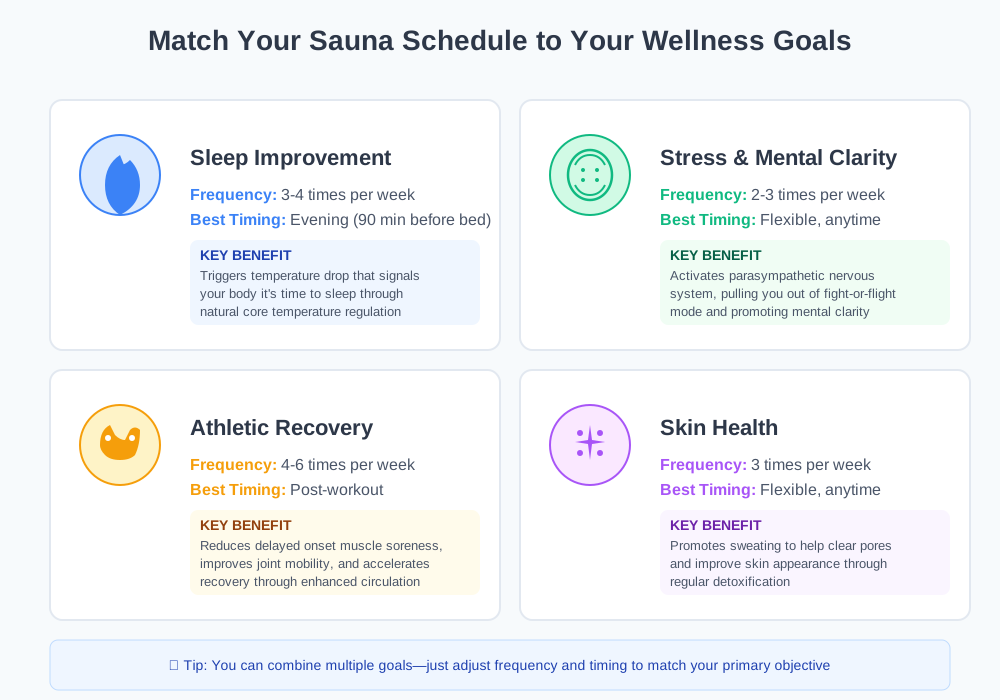
For Sleep Improvement: If better sleep is your primary goal, timing matters as much as frequency. Using a sauna three to four times per week in the evening, about 90 minutes before bed, can help trigger the temperature drop that signals your body it’s time to sleep. The session causes your core temperature to rise, and the subsequent cooling period promotes the natural decrease in body temperature associated with sleep onset.
For Stress Reduction and Mental Clarity: Those using saunas primarily for mental health benefits often find that even two to three sessions per week can significantly impact stress levels and focus. The forced stillness and heat stress activate your parasympathetic nervous system, pulling you out of fight-or-flight mode. Some people, including myself, treat their sauna time as a meditation, using the heat to anchor their attention and clear mental clutter.
For Athletic Recovery: Athletes and fitness enthusiasts often benefit from more frequent sessions, particularly when training volume is high. Using a sauna four to six times per week after intense workouts can help reduce delayed onset muscle soreness, improve joint mobility, and accelerate recovery. The increased circulation helps flush metabolic waste products and delivers nutrients to healing tissues.
For Detoxification and Skin Health: While the “detox” claims around saunas are sometimes overstated (your liver and kidneys handle most detoxification), regular sauna use does promote sweating, which can help clear pores and improve skin appearance. For these benefits, three sessions per week seems to be sufficient for most people.
My Personal Journey with Sauna Frequency
When I first installed an infrared sauna in my home, I went all in. Seven days a week, 40-minute sessions, convinced that more was automatically better. Within two weeks, I was exhausted. My sleep actually got worse, I felt perpetually dehydrated despite drinking more water, and my enthusiasm for what should have been a relaxing practice had completely evaporated.
I scaled back dramatically, dropping to just twice a week. My energy returned, but I noticed I wasn’t experiencing the cognitive benefits I’d read about. The sessions felt good in the moment, but I wasn’t seeing the cumulative effects I was hoping for.
It took some experimentation to find my rhythm. I eventually settled on three to four sessions per week, scheduled on non-consecutive days to allow for recovery. Lunchtime worked best for my schedule, I could fit in a 30-minute session and still have time to prepare a meal. My primary goals were stress relief and overall wellness, and this frequency struck the right balance without feeling overwhelming.
💡Related Reading: If you’re ready to commit to 3-4 sessions weekly, make sure you’re investing in a sauna that supports that consistency. See my reviews of the best home saunas for serious users.
While this pattern worked for my schedule and goals, the key lesson was learning to read my body’s signals. On weeks when work stress was high or I wasn’t sleeping well, I’d drop to three sessions. During periods of increased resilience, I’d occasionally bump up to five. The framework provided structure, but flexibility kept it sustainable.
Want to avoid the mistakes I made?
Get my free 20-Year Sauna Guide with complete comparison of all 3 types, budget breakdowns, and the electrical requirements nobody tells you about.
23 pages of hard-won experience. Useful insights you can actually apply.
Safety Considerations and When to Exercise Caution
While sauna use is remarkably safe for most healthy adults, understanding when and how to adjust frequency is important for long-term success and safety.
Hydration is non-negotiable. Each sauna session can cause you to lose between one and two pounds of fluid through sweating. If you’re using a sauna multiple times per week, you need to be intentional about hydration before, during, and after sessions. I keep a water bottle in the sauna and aim to drink at least 16 ounces during and immediately after each session, in addition to maintaining good hydration throughout the day.
Certain conditions warrant more conservative frequency recommendations. If you have cardiovascular disease, uncontrolled hypertension, or are pregnant, consult your healthcare provider before establishing a regular sauna routine. People with these conditions may still benefit from sauna use, but frequency and duration may need to be adjusted. The duration of each session partly depends on temperature – learn more about optimal sauna temperatures.
Alcohol and sauna use don’t mix. The combination impairs your body’s ability to regulate temperature and increases the risk of dangerous drops in blood pressure. Similarly, using a sauna when you’re already dehydrated or feeling unwell is counterproductive at best and potentially dangerous at worst.
Listen for signs you might be overdoing it. Persistent fatigue, difficulty sleeping, increased resting heart rate, or feeling worse after sessions rather than better are all indicators that you may need to reduce frequency or duration. The goal is to create positive stress that promotes adaptation, not chronic stress that depletes you.

Practical Tips for Establishing Your Sauna Routine
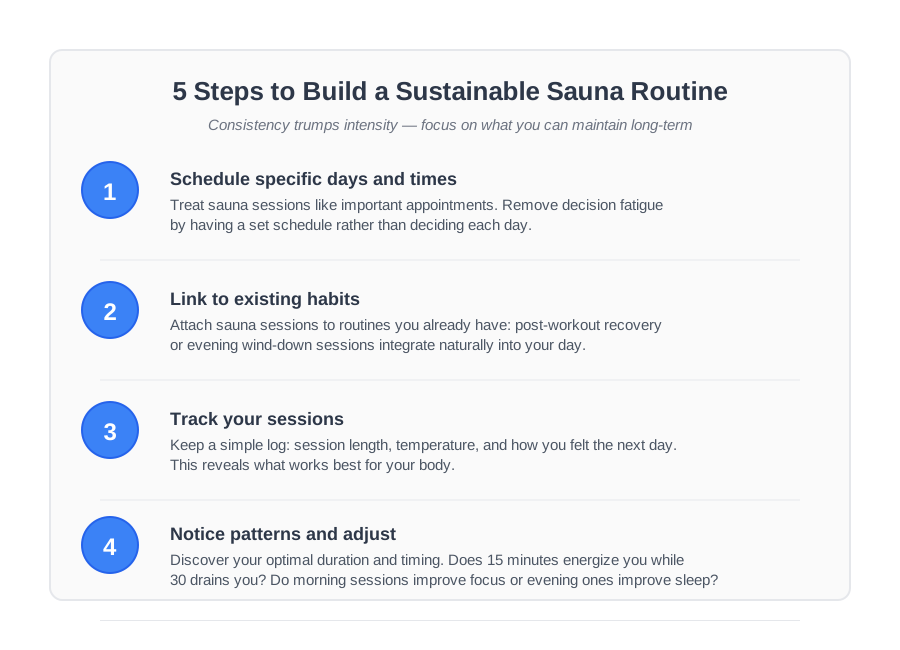
Consistency trumps intensity when it comes to reaping sauna benefits. A moderate routine you can maintain for months or years will serve you far better than an aggressive schedule you abandon after a few weeks.
Start by scheduling specific days and times for sauna sessions, treating them like any other important appointment. This removes the decision-making fatigue of figuring out whether you’ll sauna on any given day. I’ve found that linking sauna sessions to existing routines creates the strongest habits. Post-workout sauna time or evening wind-down sessions naturally integrate into your day.
Track how you feel after different frequencies and durations. A simple journal or notepad noting session length, temperature, and how you felt the next day can reveal patterns that help you optimize your routine. You might discover that 15-minute sessions leave you energized while 30-minute sessions leave you drained, or that morning sessions improve your focus while evening sessions improve your sleep.
Consider your sauna access and type. If you’re relying on a gym or spa sauna, getting there four to five times per week might not be realistic. In that case, maximize the sessions you can fit in rather than feeling guilty about what you can’t. If you have a home sauna, the convenience might allow for more frequent, shorter sessions that fit more easily into your life.
💡Related Reading: Best Portable Saunas You Can Use Anywhere.
Frequently Asked Questions
Yes, daily sauna use is safe for most healthy adults and is common in cultures with strong sauna traditions. However, daily sessions require careful attention to hydration and listening to your body’s signals. Start with shorter sessions (10 to 15 minutes) if using daily, and ensure you’re replacing fluids and electrolytes adequately. I personally found every day to be too much and not sustainable.
Beginners should start with one to two sauna sessions per week, using shorter durations (10 to 15 minutes) at moderate temperatures. This allows your body to adapt to heat stress gradually. After two to three weeks, you can increase frequency to three to four times per week if desired, adding a few minutes to session length as your tolerance builds.
💡Related Reading: Not sure which type of sauna to start with? Check out my complete guide to the best home saunas for beginners.
For athletic recovery, three to five sessions per week typically provides optimal benefits. Timing sessions after intense workouts or on rest days can help reduce muscle soreness and improve circulation to healing tissues. Allow at least one day per week completely free from sauna use to give your system a full recovery period.
Yes, excessive sauna use can lead to chronic dehydration, electrolyte imbalances, and fatigue. Signs you’re overdoing it include persistent tiredness, disrupted sleep, dizziness, or feeling worse rather than better after sessions. If you experience these symptoms, reduce frequency and duration, and ensure you’re properly hydrating.
💡Related Reading: Want to learn more about choosing the right sauna type? Read about my journey testing every type of sauna over 25 years.
Finding Your Perfect Frequency
The question of how often you should use a sauna doesn’t have a single answer because you’re not a single data point. You’re a complex individual with unique physiology, goals, schedules, and preferences. The research gives us a starting framework: three to four sessions per week appears to offer substantial benefits for most people. But the real answer emerges from experimentation and attention.
Start conservatively, especially if you’re new to regular sauna use. Give your body time to adapt, and pay attention to both how you feel immediately after sessions and how you feel in the hours and days that follow. The right frequency should leave you feeling rejuvenated, not depleted. It should enhance your sleep, focus, and recovery rather than compromise them.
Remember that your ideal frequency may shift with seasons, stress levels, training intensity, and life circumstances. What works during a calm summer month might be too much during a high-stress work period. Build flexibility into your approach, adjusting frequency up or down based on how your body responds.
The sauna is a powerful tool for wellness, but like any tool, its effectiveness depends on how thoughtfully you use it. Whether you settle on two sessions per week or six, the key is finding a balance that enhances your life without becoming another source of stress. Start where you are, listen to your body, and let the heat work its magic.
💡Related Reading: Get the full budget breakdown of all the different sauna types
Thinking about getting a sauna?
If you’re looking for clarity, my complete 23 page guide brings together everything I learned from 25 years of trying traditional, infrared, and portable saunas.