
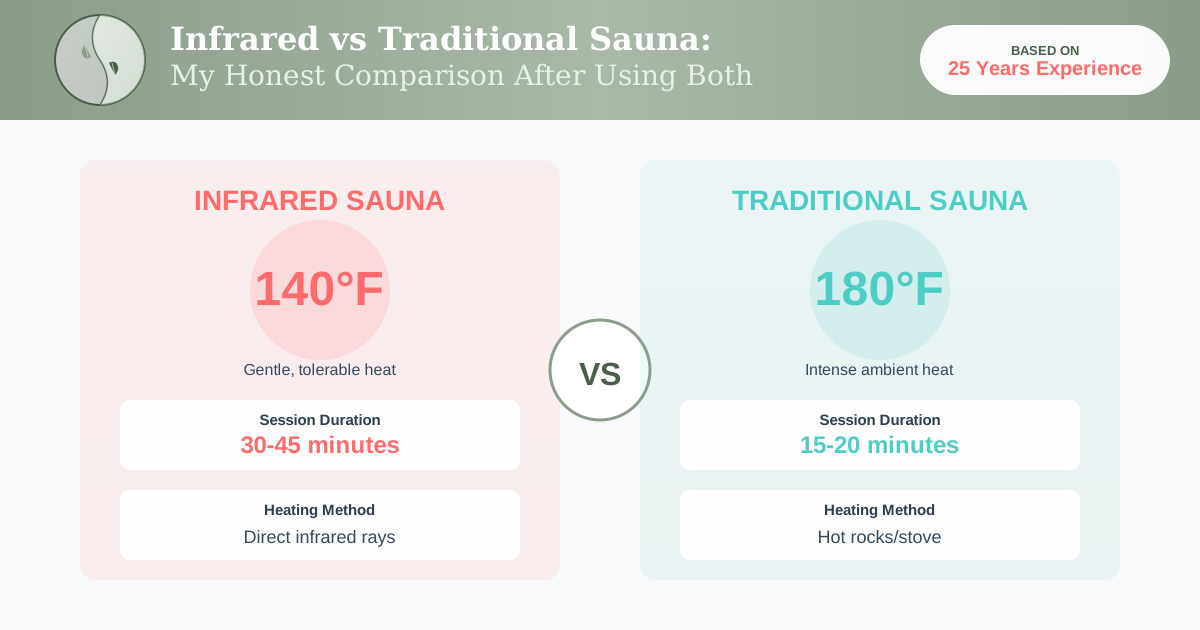
Infrared vs Traditional Sauna: My Honest Comparison After Using Both
When I bought my first infrared sauna in 2004 for $2,000, I thought I’d found the perfect solution. Lower temperatures, easier installation, and all the health benefits I’d been chasing. For about 10 years, I used it regularly at 140 degrees, sweating it out for 30-40 minutes at a time. Then I sold it and eventually found myself back in traditional saunas, discovering that I liked traditional saunas even more. That journey through both sauna types taught me something important: the infrared vs traditional sauna debate isn’t about which one is “better.” It’s about which one actually fits your body, your goals, and your life.
The wellness world loves definitive answers. “This supplement is best.” “That device will change your life.” But after decades of testing both infrared and traditional saunas, I’ve learned that heat therapy doesn’t work that way. Each technology delivers benefits through different mechanisms, creates distinct experiences, and serves different people’s needs.
In this detailed comparison, I’m breaking down the real differences between infrared sauna vs traditional sauna based on actual long-term use of both types. You’ll discover how temperature affects your experience, why one might suit your recovery goals better than the other, and the practical considerations that rarely make it into product marketing. Most importantly, you’ll learn from my expensive mistakes so you can choose wisely the first time.
Infrared vs Traditional Sauna: At a Glance
| Traditional Sauna | Infrared Sauna | |
|---|---|---|
| Temperature | 170-195°F | 120-150°F |
| How It Heats | Heats air around you | Heats body directly |
| Time to Sweat | 7-10 minutes | 15-20 minutes |
| Session Length | 20 minutes | 30-40 minutes |
| Total Time | 45-60 minutes | 90+ minutes |
| Experience | Intense, immediate | Gentle, gradual |
| Installation Cost | $4,000-12,000+ | $2,000-6,500 |
| Best For | Time efficiency, max cardiovascular benefits, sleep improvement | Beginners, chronic pain relief, longer meditation sessions |
| My Preference | ⭐⭐⭐⭐⭐ | ⭐⭐⭐⭐ |
The Real Differences: Infrared vs Traditional Sauna
Marketing materials emphasize technology and features. Here’s what actually matters based on long-term use of both.
Temperature and Experience
Traditional (170-195°F): Intense and immediate. You feel the heat on your skin within seconds. Sweating starts in 7-10 minutes. The cardiovascular response is pronounced. Your heart rate climbs noticeably. Twenty minutes is typically enough; longer sessions risk diminishing returns.
When I returned to traditional saunas in 2021, the gym kept theirs at 180 degrees. It felt intense at first, but my heat-adapted body from years of infrared use handled it differently than my overwhelming first experience back in 1999. Within two weeks, even that intensity normalized.
Infrared (120-150°F): Gentle and gradual. The air feels relatively mild. Sweating takes 15-20 minutes to really commence, but once it starts, it’s steady and sustained. You can comfortably extend sessions to 35-40 minutes.
My first infrared session at 130 degrees produced zero sweat after 30 minutes, it just felt like sitting in a warm room. Bumping it to 140 degrees and waiting for a full preheat changed everything. Once I found that sweet spot, I could maintain 30-40 minute sessions comfortably.
The 40-50 degree gap isn’t about superiority. It’s about philosophy: intense and brief versus moderate and extended. Traditional heats the air around you to extreme levels. Infrared heats your body directly at lower ambient temperatures. Both produce profuse sweating, just through different physics and timelines.
If you already know which type is right for you, check out my complete guide to the best home saunas with specific model recommendations.
Time Investment: The Hidden Cost
This is where many people get surprised and where I eventually made my decision between the two.
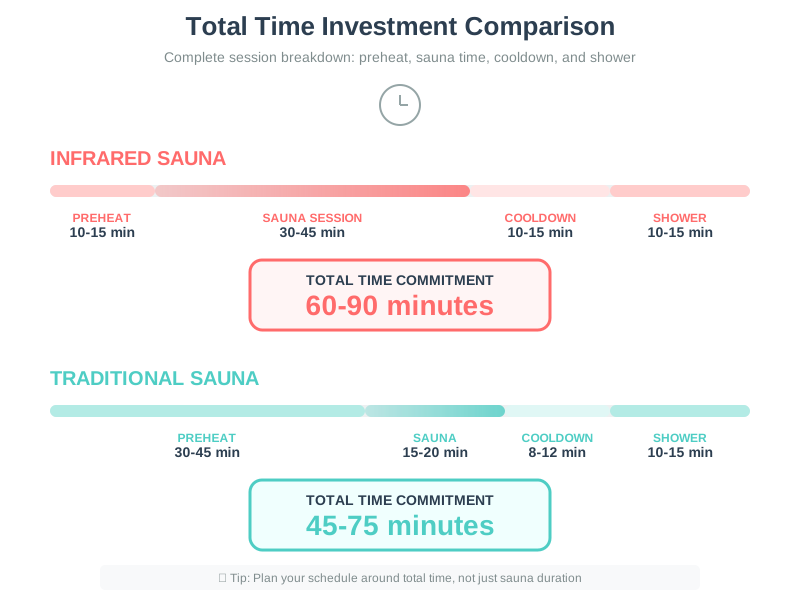
Traditional at a gym: Walk in, 20-minute session, shower, done. Total time: 40-45 minutes plus drive time. For home units, add 20-30 minutes preheating for roughly 60 minutes total.
Infrared at home: 25 minutes preheat, 30-40 minute session, 10-15 minutes cooling down (you continue sweating), plus shower. Total time: 90+ minutes.
After about 10 years of maintaining my infrared routine at 3-4 sessions weekly, that 90+ minute commitment became increasingly difficult when life got busy. When I eventually returned to traditional saunas, the shorter time commitment made consistency far easier to maintain. Finding 90 minutes became harder as schedules got busier; 45-60 minute sessions fit into disrupted schedules more easily.
Sweat Characteristics
Both produce heavy sweating, but the pathway differs.
Traditional: Fast and furious. Within 10 minutes at 180°F, sweat is dripping. The intensity builds continuously. The cardiovascular demand is palpable, your heart works hard throughout.
Infrared: Gradual buildup. The first 10-15 minutes, minimal activity. Then sustained sweating begins and continues steadily. The cardiovascular stress feels milder, allowing longer sessions without overwhelm.
Infrared proponents claim their sweat contains more toxins due to deeper tissue penetration. I couldn’t verify this scientifically or notice meaningful differences in benefits. Both approaches work, they just feel different.
💡Related Reading: Read more about my complete sauna journey
Installation and Electrical Reality
This is where my expensive learning happened.
Traditional: Requires dedicated 240V circuits (30-60 amp). Professional installation costs $1,000-2,000+. Some older homes need panel upgrades, adding thousands more. Units themselves: $3,000-10,000+.
Infrared: Advertised as standard outlet compatible, but don’t trust it blindly. When my infrared sauna arrived in 2004, the specs said it would work on a standard 15-amp circuit. Technically true, it was rated at 1,500 watts, and standard outlets provide 1,800 watts. But the power spikes when heating panels cycled on repeatedly tripped my breaker.
My workaround: unplug every lamp and device on that circuit before each session. It mostly worked, but I still got occasional shutdowns mid-session. Looking back, spending $1,000-1,500 on a dedicated circuit would have saved enormous frustration. It’s worth considering this in your budget even with infrared units.
Both need significant floor space (35-40 square feet for typical home units). However, newer portable infrared saunas have a smaller footprint than the wood built units.
Want to avoid the mistakes I made?
Get my free 20-Year Sauna Guide with complete comparison of all 3 types, budget breakdowns, and the electrical requirements nobody tells you about.
23 pages of hard-won experience. Useful insights you can actually apply.
Maintenance
Traditional: Minimal. Wipe benches occasionally, ensure ventilation, clean floor periodically. Very low hassle.
Infrared: Even less. Wipe down interior and heating panels occasionally. Ensure ventilation. Heating elements last 10+ years.
I also experimented with portable steam saunas for about two years. They worked surprisingly well for under $200, but required weekly cleaning to prevent mildew. That maintenance hassle eventually pushed me away despite their effectiveness.
💡Related Reading: Best Portable Saunas You Can Use Anywhere.
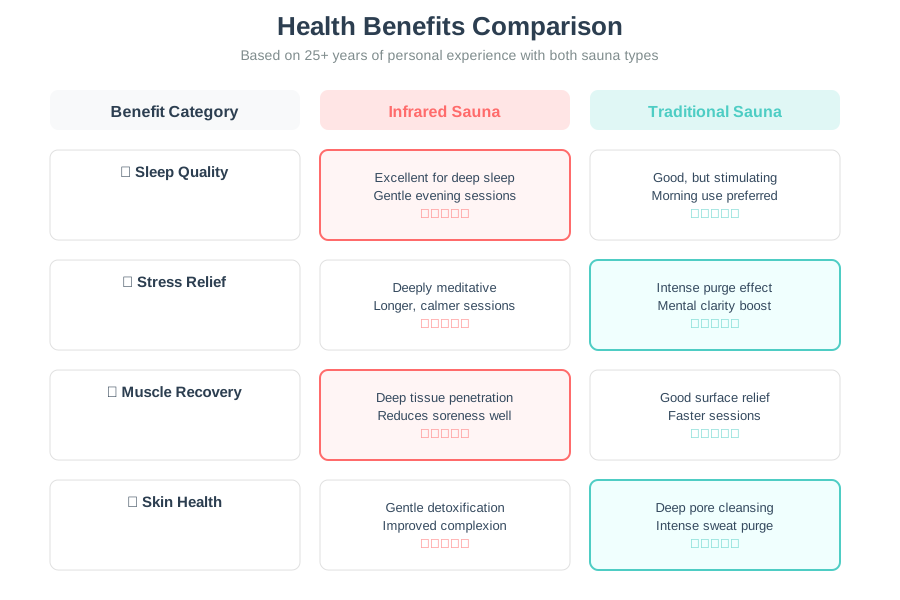
Benefits Comparison: What Actually Changed
Cardiovascular Impact
Both deliver measurable cardiovascular benefits validated by research, but through different intensities.
Traditional at 180°F: My heart rate would spike 60-75 beats above resting. Blood vessels dilate noticeably. You feel the cardiovascular work, it’s pronounced and attention-grabbing. This likely explains why traditional saunas dominate research literature.
Infrared at 140°F: Heart rate elevation was moderate, maybe 40-50 beats above baseline. The stress felt manageable throughout longer sessions. Better for people with cardiovascular concerns or heat sensitivity.
In terms of conditioning effects, traditional saunas seemed to deliver more robust adaptation. I felt stronger and more resilient after consistent traditional use compared to my decade with infrared. But both clearly work.
Stress Relief
Traditional: The intensity commands attention. At 180°F, you can’t drift away. This forced mindfulness creates a meditative quality. I’d emerge mentally clear and remarkably calm despite the demanding experience.
Infrared: The gentler approach allowed deeper relaxation. At 140°F, I could read, meditate, or drift toward sleep. More overtly restful, though perhaps less transformative.
My verdict: Traditional delivered more profound stress relief through the contrast between intense experience and post-sauna calm. But infrared worked better when I was already depleted, it didn’t demand energy I didn’t have.
Recovery and Muscle Soreness
Traditional: Post-workout sessions accelerated recovery noticeably. Next-day soreness decreased. Twenty minutes delivered meaningful benefits efficiently.
Infrared: Longer sessions (40 minutes) were particularly effective for chronic tension in specific areas. When my lower back got tight from desk work, sustained infrared heat provided relief that lasted days.
For general recovery, both worked. Traditional was more time-efficient. Infrared was better for targeted, chronic issues.
Sleep Quality: The Deciding Factor
This became crucial in my preference for traditional saunas.
Traditional (properly timed 6-8 hours before bed): Produced the most dramatic sleep improvements I’ve experienced from any wellness intervention. My breakthrough came from experimenting systematically with timing. Evening sessions after 6 PM disrupted my sleep. My core temperature stayed elevated too long. Morning sessions sometimes left me drained. But midday sessions during lunch breaks? Perfect. On sauna days, I consistently slept more soundly and woke more refreshed.
Infrared: More forgiving with timing. Evening sessions didn’t consistently disrupt sleep as long as it wasn’t too close to bedtime. The sleep enhancement was noticeable but didn’t match well-timed traditional sessions.
Skin Health
Surprisingly similar results from both types.Regular use of either transformed my skin appearance. Hydration improved, that healthy glow became natural, chronic dryness vanished. During extremely busy or difficult times my infrared routine would fall apart, my skin deteriorated within a couple weeks. My arms developed that dry, flaky texture similar to sunburn. When I resumed regular sauna use (eventually with traditional), the healthy appearance returned within two weeks.
My skin became a reliable indicator of consistency. If I would skip 2-3 weeks, dryness returned predictably. I couldn’t identify meaningful differences between how traditional versus infrared affected skin health. Both delivered similar benefits.
Complete Benefits Comparison Table
| Benefit Category | Traditional Sauna (180°F) | Infrared Sauna (140°F) | My Experience |
|---|---|---|---|
| Cardiovascular Impact | Heart rate +60-75 bpm Intense cardiovascular work Mimics moderate exercise | Heart rate +40-50 bpm Gentler cardiovascular stress Longer sustainable sessions | Traditional felt more robust for conditioning |
| Stress Relief | Demands attention Forced mindfulness Profound mental clarity | Allows relaxation Can read/meditate Restful, less transformative | Traditional delivered deeper reset through intensity contrast |
| Muscle Recovery | Fast, efficient (20 min) Post-workout acceleration Reduced next-day soreness | Targeted relief (40 min) Chronic tension/pain Sustained deep heat | Traditional for general recovery; Infrared for specific problem areas |
| Sleep Quality | Dramatic improvement Critical: Must time 6-8 hrs before bed Evening sessions disrupt sleep | Moderate improvement More timing flexibility Forgiving with schedule | Traditional superior but requires precise timing |
| Skin Health | Improved hydration Healthy glow Eliminated dryness | Improved hydration Healthy glow Eliminated dryness | No meaningful difference, both excellent |
| Calorie Burn | 200-300 cal/hour Slightly higher metabolic demand | 150-250 cal/hour Lower metabolic demand | Neither ideal for weight loss. Both work for overall health |
| Time Efficiency | ⭐⭐⭐ Home: ~60 min total Gym: ~65 min total (including drive time) | ⭐⭐ Home: 70-80 min total (Most common setup) | Infrared takes a little longer |
| Beginner Friendly | ⭐⭐⭐ (requires adaptation) | ⭐⭐⭐⭐⭐ (gentle entry) | Infrared easier to start, traditional better long-term |
Which Burns More Calories?
This question comes up constantly, so let’s address it.
Traditional at 180-190°F: Heart rate increases 50-75%, similar to brisk walking. Estimates: 300-600 calories per hour depending on individual factors.
Infrared at 130-140°F: Less cardiovascular stress, lower calorie burn. Estimates: 200-400 calories per hour.
These estimates were based on studies done by manufacturers, so they may have done a very specific protocol to reach these numbers or possibly embellished a little.
Honest perspective: If calorie burning is your primary goal, both are inefficient compared to actual exercise. The real value isn’t calorie expenditure, it’s cardiovascular conditioning, recovery enhancement, and stress management.
When I was researching saunas to buy, I couldn’t help but feel motivated by the idea of increased calorie burn. Maintaining my weight over the years has been challenging at times, so I thought it could be an easy win. While I didn’t monitor calories closely I was still watching the scale and nothing really changed, so that leads me to believe that the calorie burn claims are slightly inflated. But in my experience if choosing solely on calorie burn, traditional has the advantage over infrared.
Choosing Your Starting Point
Choose infrared if:
- Heat sensitivity concerns you (120-130°F is far less intimidating)
- You want longer, more meditative sessions (35-40 minutes of gentle heat)
- Home installation with simpler electrical needs appeals to you (but still budget for dedicated circuits)
- Budget is limited (units and installation typically cost less)
- Specific areas need sustained targeted heat
Choose traditional if:
- You have gym access (try before investing thousands)
- Time efficiency matters (shorter total commitment)
- You want the most researched approach (decades of Finnish studies)
- Higher intensity doesn’t intimidate you
- Maximum cardiovascular benefits interest you
Check out my in-depth reviews of the best home saunas across all types →
My recommendation: Try both, if possible, at gyms or spas before committing to home purchases. I spent $2,000 on infrared, and while it worked well for about a decade, I eventually discovered traditional suited me better. Now I have full confidence in buying a home traditional sauna when I’m ready.
Don’t judge any type based on extreme first experiences. My overwhelming 190°F traditional introduction in 1999 nearly turned me away permanently. If I’d started at 150-160°F and progressed gradually, the story would have been different. Temperature progression matters enormously for beginners regardless of type.
Do Infrared Saunas Get as Hot as Traditional?
No, infrared maxes around 150-160°F while traditional hits 180-195°F+. That gap is intentional, not a limitation.
Traditional heats air to extreme temperatures. Your body responds to environmental heat stress. High temperature is essential to the mechanism.
Infrared heats your body directly using wavelengths that penetrate tissue. Lower air temperature is intentional because heating occurs internally. You don’t need extreme ambient heat when energy is absorbed directly by tissue.
I sweated comparably in both once I found optimal settings. My infrared unit at 140°F produced similar sweating to traditional at 180°F, just through different physics and timelines.
My Honest Assessment After Using Both
What I Loved About Traditional
Efficiency dominated. Twenty minutes delivered comprehensive benefits without consuming entire afternoons. When schedules got busy, I could maintain consistency because time requirements were manageable. My current routine: 3-4 times weekly at 180°F during lunch breaks. It fits my life sustainably.
Research base provided confidence. Decades of Finnish studies documenting cardiovascular benefits and longevity improvements validated what I felt experientially.
Simplicity appealed. Walk in, get hot, leave. No complex technology. Just heat, wood, and time.
Cardiovascular intensity created noticeable effects. I could feel my heart working, blood flowing, body responding. Benefits felt tangible and immediate.
Sleep transformation exceeded my expectations. Properly timed sessions improved my sleep more dramatically than sleep hygiene interventions.
💡Related Reading: Learn more about optimal sauna temperatures
Traditional Limitations
Electrical requirements create barriers. Running dedicated 240V circuits costs $1,000-2,000+ and isn’t feasible for renters.
Intensity sometimes overwhelms. Even after years of use, some days 180°F feels like too much.
Timing inflexibility frustrates. Evening sessions disrupted my sleep. The narrow optimal window doesn’t accommodate everyone’s schedule.
Shared gym facilities raise hygiene concerns. Not everyone follows proper etiquette.
What I Loved About Infrared
Approachable entry point. Starting at 130-140°F made building consistency easier initially. The gentler heat helped me establish the habit before my body adapted to more intense experiences.
Extended sessions felt restorative. Spending 35-40 minutes in comfortable heat was genuinely enjoyable rather than an endurance test. I could read or meditate without fighting discomfort.
Home installation simplicity. Five hours of assembly work got me a functional unit without major renovation. The intimidation of those two massive boxes on a pallet faded quickly once I started following the instructions.
Targeted heat worked well. For specific problem areas like tight shoulders or lower back pain, sustained infrared provided relief that brief traditional sessions didn’t match.
Infrared Limitations
Time investment eroded consistency. That 90+ minute commitment became increasingly difficult to sustain as life got busier. Eventually, this friction reduced my usage until I stopped altogether.
Electrical problems frustrated me. Circuit breaker trips interrupted countless sessions despite the unit meeting technical specifications. This issue might be avoidable with proper electrical work upfront or sizing down.
Benefits felt subtler. Everything worked, but nothing was as pronounced as traditional sauna effects. The cardiovascular response was gentler, sleep improvements moderate, stress relief pleasant but not transformative.
Space requirements posed challenges. My “three-person” unit (realistically comfortable for two) occupied 35-40 square feet permanently. In smaller living spaces, that’s significant. There are smaller portable options available, but may not be as reliable long term.
Common Questions From Real Experience
Neither is primarily a weight loss tool. Traditional edges infrared slightly on calorie burn, but the difference is modest. Focus on diet and exercise; use saunas as complementary recovery tools.
Both produce a good sweat. I couldn’t verify claims about infrared mobilizing more toxins. My skin improved similarly with both. I do think either will improve our body’s own built in detoxification mechanisms. Call it a draw.
No. Infrared maxes around 150-160°F, traditional hits 180-195°F. This doesn’t indicate inferiority. Different heating principles require different temperatures.
Both delivered excellent results. Regular use of either improved hydration and eliminated dryness. No meaningful difference in my experience.
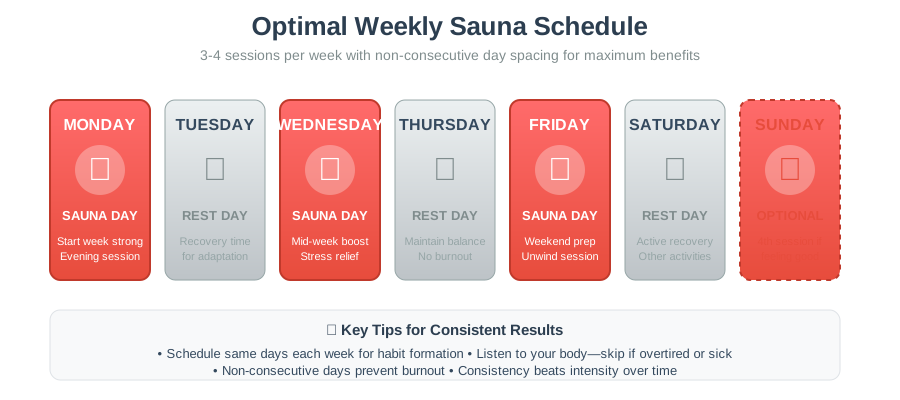
I found 3-4 times weekly to be the optimal frequency for sauna use in both cases. Traditional was more forgiving at 2 times weekly, I still noticed benefits. Infrared required minimum 3 times for sustained improvements.
Infrared offers gentler entry at 120-130°F. Traditional requires careful progression starting at 150-160°F. For heat-sensitive beginners, infrared might feel more approachable initially.
💡Related Reading: Learn more on how to use a sauna as a beginner.
Lessons From Using Both Types
Start conservatively. Begin well below your perceived tolerance. Better too gentle than too intense initially. My failed first infrared session at 130°F felt underwhelming, but starting higher might have discouraged me entirely.
Take electrical seriously. Budget for dedicated circuit installation regardless of specifications. That $1,000-1,500 investment prevents enormous frustration over years of use.
Account for total time honestly. Consider preheat, session, cool down, and shower. This difference dramatically affects sustainability. I underestimated this with infrared.
Experiment with timing. Traditional sessions after 6 PM destroyed my sleep. Midday worked perfectly. Infrared was more flexible but still worked best earlier in the day.
Prioritize consistency over intensity. Regular 20-minute sessions beat sporadic 40-minute marathons. Three times weekly sustained beats five times weekly that I couldn’t maintain.
Use skin as your indicator. Regular use kept mine healthy. Breaks of 2-3 weeks produced noticeable dryness. This visible marker helped me recognize when I’d slipped from my routine.
Try before buying. Gym trials before home purchases could save money and accelerate finding your optimal approach. I wish I’d had followed this advise before my infrared investment.
My Final Verdict
If forced to choose one type for life, traditional saunas win for me personally. The time efficiency, intensity, and sleep benefits ultimately outweighed infrared’s gentler approach. Twenty-minute sessions fit my life better than 90-minute commitments. The extensive research base provides confidence in long-term health benefits.
But infrared isn’t inferior, it’s just different. For many people, especially those new to heat therapy or heat-sensitive, infrared offers genuine advantages. Gentler heat, longer comfortable sessions, and simpler installation make it the right choice for countless users.
The best sauna is whichever you’ll use consistently over years. If infrared’s approachable nature means you’ll stick with it long-term, that beats buying traditional equipment you’ll abandon after two months. If you have gym access with traditional facilities, try those first. If installing at home, carefully evaluate electrical requirements and time commitments for both types.
The infrared versus traditional debate misses the point. Both offer real benefits. Both require experimentation. Both demand consistency. The question isn’t which is objectively superior, it’s which works better for your specific body, goals, schedule, and preferences.
After extensive use of both, I discovered my optimal routine. Your perfect routine will almost certainly look different.
The real insight isn’t “traditional beats infrared.” It’s that heat therapy works remarkably well when you find the right approach for you, and discovering that requires patience, experimentation, and honest attention to your body’s signals.
Ready to choose a specific model? See my in depth reviews of the best home saunas available in 2025.
Thinking about getting a sauna?
If you’re looking for clarity, my complete 23 page guide brings together everything I learned from 25 years of trying traditional, infrared, and portable saunas.